
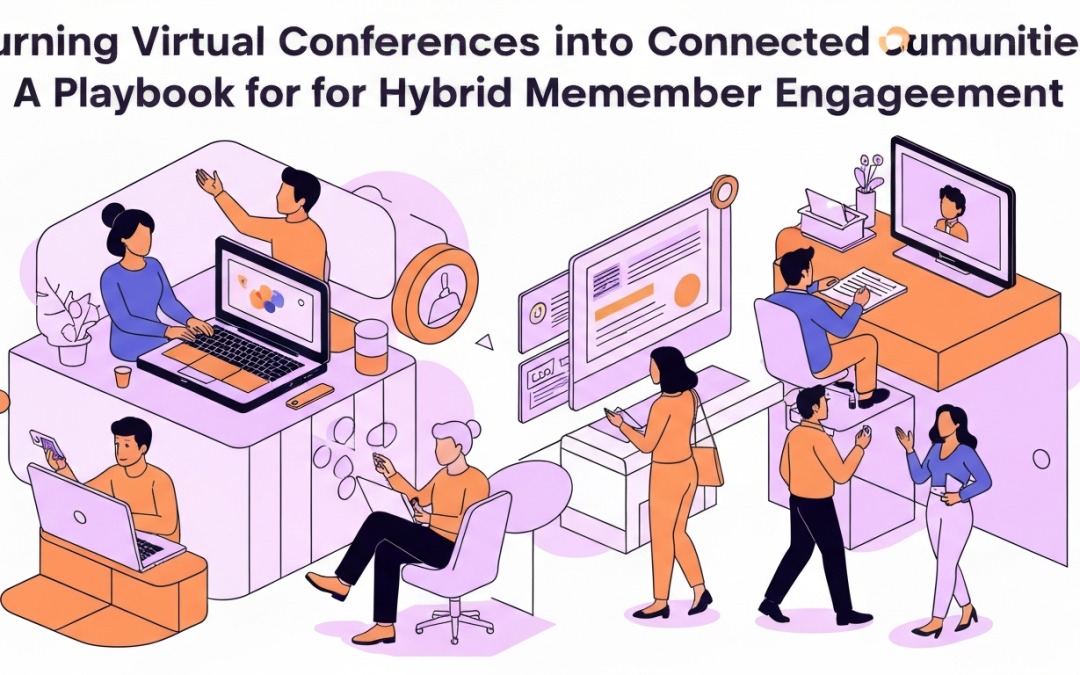
From Virtual to Vibrant: Building Connected Communities Across Hybrid Events
Hybrid conferences hold the promise of reach and impact, but turning a digital crowd into a true community requires more than slick platforms and a packed agenda. It takes a deliberate playbook that centers people, connection, and ongoing collaboration. This guide outlines practical steps to transform virtual experiences into lasting member engagement that transcends the event walls.
Define a Shared Purpose and Visible Outcomes
At the heart of any community is a common mission. Start by articulating what your members gain by participating beyond the event days. Is it access to expert knowledge, opportunities to collaborate on real projects, or continual peer support? Clarify goals and map them to tangible outcomes, such as:
- Monthly “office hours” where members get feedback from peers
- Collaborative projects with clear timelines and deliverables
- Mentorship pairings that match experience with needs
Publish a simple charter that describes norms, participation expectations, and how progress will be shared. When people know the impact they can have and how to contribute, engagement becomes more meaningful than event attendance alone.
Design Inclusive, Multichannel Engagement
Hybrid environments require channels that suit different preferences and time zones. Create a layered engagement model that includes live, asynchronous, and micro-interactions:
- Live streams with real-time Q&A, followed by post-event summaries
- Asynchronous discussion threads tied to session themes
- Short, digestible micro-actions such as polls, prompts, or challenges
Offer multiple entry points: a global welcome session, a topic-based cohort, and interest-specific groups. Provide clear pathways for newcomers to find peers, mentors, or collaborators, and keep a consistent cadence so members know when and where to participate.
Leverage Technology Without Overreliance
Technology should amplify connection, not obscure it. Choose a core set of tools that are reliable, accessible, and easy to use. Prioritize:
- A central hub for content, discussions, and project tracking
- Replay-friendly formats and searchable archives for asynchronous learning
- Feedback loops—surveys and quick polls—that inform ongoing improvement
Pair technical features with human touches: designated community managers, moderator-led sessions, and regular “office hours” where members can ask questions or seek guidance. Use analytics to identify active members and under-engaged groups, then tailor outreach to re-energize participation.
Foster Relationships through Structured Collaboration
Communities thrive when members collaborate on real work. Create templates and frameworks that lower the friction of joint projects:
- Defined project briefs with milestones, roles, and decision rights
- Mentor-mentee tracks for skill-building and confidence
- Peer review cycles that honor diverse perspectives
Encourage cross-pollination by pairing attendees from different regions, sectors, or expertise. HostCapstone sessions at the end of each cycle where teams present outcomes, reflect on lessons, and outline next steps.
Nurture Culture Through Consistent Communication
A living community needs a steady rhythm of updates, recognition, and storytelling. Build a cadence that includes:
- Weekly newsletters highlighting conversations, wins, and upcoming opportunities
- Member spotlights that profile diverse voices and pathways
- Open forums for feedback, with visible responses and action plans
Celebrate small wins publicly to reinforce momentum. Acknowledge contributors, celebrate collaborations, and keep a visible backlog of ideas that members can revisit and contribute to over time.
Evaluate, Learn, and Adapt
Regular evaluation is essential to stay relevant. Track both quantitative and qualitative indicators, such as participation rates, project outcomes, and member sentiment. Use an iterative process: test a concept, gather input, refine, and scale what works. Share learnings openly to build trust and invite broader participation.
In the end, the goal is to transform virtual encounters into enduring relationships. By aligning purpose, designing inclusive engagement, balancing technology with people, enabling collaborative work, and maintaining transparent communication, you’ll cultivate a thriving, connected community that extends well beyond the conference calendar.
Recent Comments