
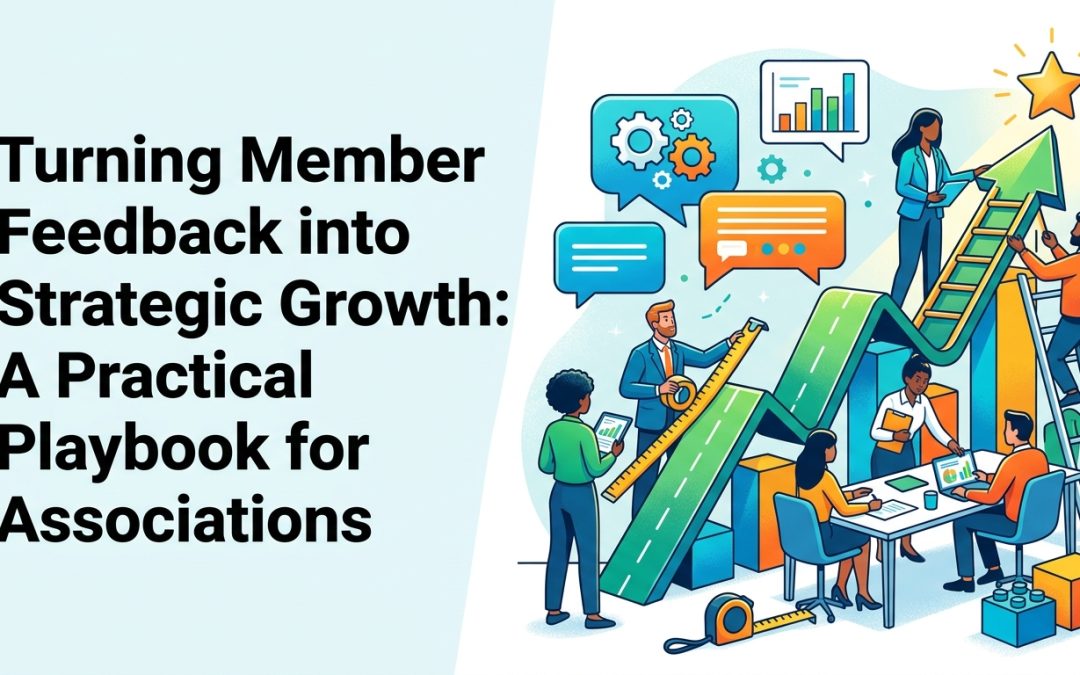
Turning Member Feedback into Strategic Growth: A Practical Playbook for Associations
Member feedback is not just nice to have; it’s a strategic asset that can steer your association toward meaningful growth. When collected and analyzed thoughtfully, feedback reveals member needs, inspires innovative programs, and strengthens loyalty. This practical playbook helps associations transform voices into clear actions, aligning priorities with what members value most.
1. Build a Feedback-Cocused Culture
Culture sets the stage for meaningful feedback. Commit to openness, transparency, and rapid iterations. Leaders should model listening, share how feedback influences decisions, and celebrate quick wins that result from member input.
- Make feedback a regular agenda item in staff and volunteer meetings.
- Close the loop by reporting back to members on changes and timelines.
- Reward teams that translate feedback into concrete improvements.
2. Design Smarter Feedback Mechanisms
The best feedback systems are simple, targeted, and timely. Blend multiple channels to capture a representative view of your diverse membership.
- Pulse surveys: short, frequent checks (5–10 questions, 2–5 minutes to complete).
- Annual member survey: deeper insights into satisfaction, value, and outcomes.
- Open channels: suggestion boxes, focus groups, and one-on-one conversations with diverse member segments.
- Exit interviews: learn why members leave and what would have kept them engaged.
Pair quantitative data (ratings, rankings) with qualitative insights (comments, stories) to understand both the scale and the nuance of member sentiment.
3. Prioritize Insights with a Cohesive Framework
Turn raw feedback into strategic priorities by using a simple, repeatable framework. One effective approach is to map feedback to three lenses: member value, feasibility, and impact on the mission.
- Member value: How strongly does this matter to members? Is it a core need or a nice-to-have?
- Feasibility: What resources (time, budget, partnerships) are required?
- Impact: How directly will this strengthen the association’s mission and outcomes?
Rank items within each lens and identify quick wins, strategic bets, and long-term bets. This keeps the portfolio manageable and action-oriented.
4. Translate Feedback into a Living Roadmap
A living roadmap ensures feedback remains actionable. Start with a 90-day plan that captures the highest-priority items and explains why they matter. Then refresh every quarter.
- Define measurable goals: membership growth, engagement rates, revenue from new programs, or improved satisfaction scores.
- Assign owners: designate staff, volunteers, or committees responsible for delivering outcomes.
- Set milestones and timelines: concrete dates help maintain momentum and accountability.
Publicly share the roadmap with members and explain choices when priorities shift. Transparency sustains trust, even when trade-offs are necessary.
5. Design Programs That Align with Member Value
Programs should directly address the needs members express. Use feedback to craft offerings that deliver clear, measurable value.
- Educational content: courses, webinars, and certifications tied to member goals.
- Networking opportunities: peer groups, regional events, and mentorship programs.
- Voice and governance: opportunities for members to shape policy, standards, or standards development.
Experiment with pilots before scaling. Start small, measure impact, and iterate rapidly based on responses.
6. Leverage Data Without Losing Your Community Ethos
Data-informed decisions are powerful, but human connection remains central. Balance analytics with listening sessions, empathy, and ethical data practices.
- Ensure privacy: clear consent, anonymization, and secure data handling.
- Share insights responsibly: provide context, avoid overgeneralization, and acknowledge limitations.
- Keep the member at the center: use data to uplift member experiences, not to automate away the human touch.
7. Measure, Learn, and Adapt
Success comes from an ongoing loop of learning and adaptation. Track both process metrics (response rates, completion times) and outcome metrics (retention, engagement, revenue impact).
- Process metrics: how efficiently feedback is collected, processed, and acted upon.
- Outcome metrics: changes in member satisfaction, renewal rates, and program participation.
- Learning rituals: quarterly reviews, retrospectives, and post-implementation assessments.
Celebrate milestones publicly, share lessons learned, and continuously refine your approach to feedback.
8. A Call to Action for Association Leaders
Turn member feedback into strategic growth by embedding listening into your DNA. Start today with a small, visible change—perhaps a quarterly member listening session or a transparent 90-day roadmap update. As you show that member voices matter, you’ll unlock deeper trust, more relevant programs, and sustainable growth for your association.
Recent Comments