
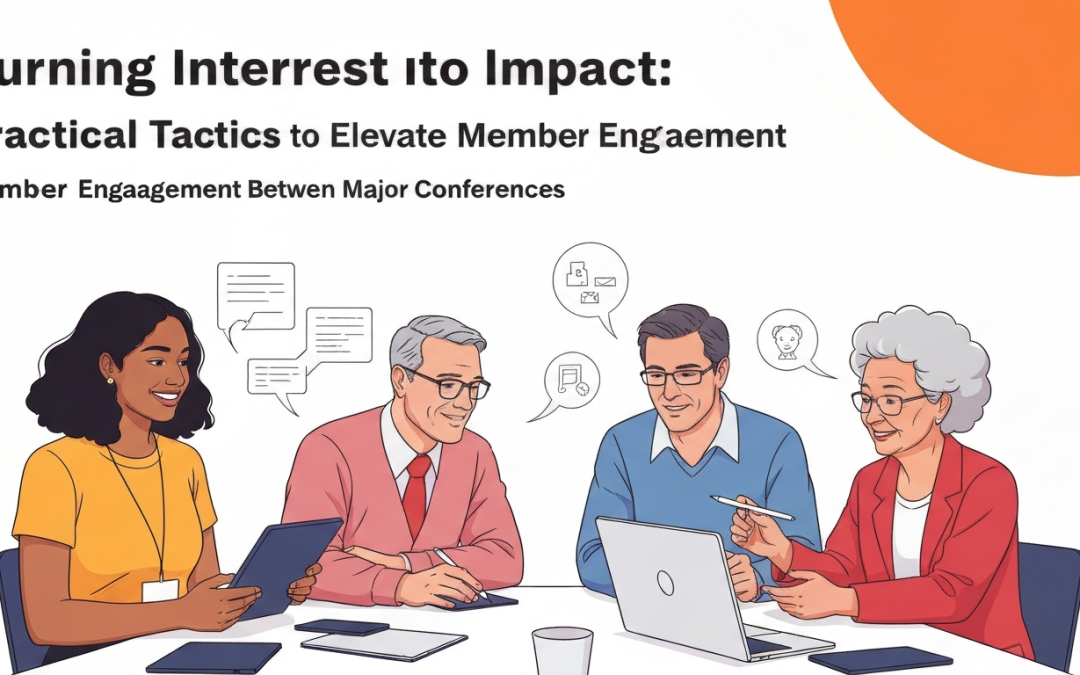
Introduction: Why the gap matters
Major conferences capture attention and create energy, but the real work happens in the months that follow. Between events, organizations often lose momentum, leaving members with a shelf of great ideas and little guidance on how to turn them into ongoing impact. The good news is that small, deliberate actions can sustain interest, deepen connections, and translate curiosity into measurable outcomes. Below is a practical blueprint you can adapt to maintain momentum and elevate member engagement long after the last keynote.
Build a clear value ladder that extends beyond the conference
Members should see a continuum of value from the moment they join your community to the next major event. A clear value ladder helps members move from light engagement to deeper commitments. Consider:
- Tiered benefits that unlock progressively with participation (ex: access to exclusive content, invite-only roundtables, mentorship slots).
- Scheduled micro-actions that fit into busy lives (weekly prompts, monthly challenges, quick feedback tasks).
- A ladder that aligns with member goals—career advancement, skill development, or networking—so participation feels purposeful.
Turn conference content into ongoing, actionable learning
Carry the conference’s momentum into everyday practice. The goal is to convert inspiration into incremental progress. Strategies include:
- Post-conference playbooks: concise, actionable summaries with practical steps tied to roles or industries.
- 30-day action plans: a guided checklist that helps members implement one new idea each week.
- Skill tracks: curate short, focused cohorts (e.g., mentoring, data literacy, leadership) that members can join at any time.
Create and sustain micro-communities
Small groups accelerate accountability and peer learning. Between conferences, micro-communities can thrive with low friction. Options include:
- Topic-based cohorts: 6–10 members with a shared goal meet virtually or in-person monthly.
- Mentor circles: rotate peer mentors who guide newcomers through a 90-day onboarding sprint.
- Ambassador programs: select enthusiastic members to host conversations, curate content, and welcome new participants.
Make participation easy and track progress
Engagement should feel effortless yet trackable. Lower barriers to entry and use data to guide improvement:
- One-click events: lightweight sessions, such as office hours or seed roundtables, with simple RSVPs.
- Progress dashboards: visible indicators of member activity, learning milestones, and impact stories.
- Feedback loops: quick surveys after events, and quarterly reflections to refine offerings.
Leverage content as a bridge to impact
Content serves as the glue between conferences and ongoing value. Build a sustainable content workflow that remains relevant and digestible:
- Evergreen resources: templates, checklists, case studies, and best practices that stay fresh with updates.
- Member-led content: invite members to share case studies, experiments, and lessons learned.
- Interactive formats: Q&As, fireside chats, and “office hours” with experts to sustain curiosity.
Reward impact and celebrate progress
Acknowledge small wins to maintain motivation. Recognition should be timely and meaningful:
- Impact milestones: celebrate when members implement a new process or complete a track.
- Public recognition: showcase member success in newsletters, forums, or social channels.
- Incentives for ongoing participation: exclusive access, speaking opportunities, or leadership roles.
Design for inclusivity and accessibility
Engagement is most powerful when it reflects diverse voices and schedules. Consider:
- Multiple time zones and formats: live sessions, recordings, and asynchronous forums.
- Clear on-ramps: simple signup paths, beginner-friendly resources, and supportive onboarding.
- Accessible content: captions, transcripts, and plain-language summaries.
Close with a practical plan
To turn interest into impact, map a concrete 90-day plan after your next conference:
- Identify two to three micro-initiatives (e.g., a 6-week cohort, a content series, a mentor pairing).
- Set measurable goals (participation rates, onboarding completion, or a number of implemented ideas).
- Assign owners and timelines, with quarterly check-ins to adjust tactics based on feedback.
Conclusion: Consistency beats bursts of energy
Major conferences are catalysts, not catalysts-only events. By designing a thoughtful, accessible, and accountable framework between conferences, you can turn fleeting interest into lasting impact. The combination of a clear value ladder, actionable content, micro-communities, and transparent progress tracking creates a sustainable rhythm of engagement that benefits members and the broader organization alike.
Recent Comments