
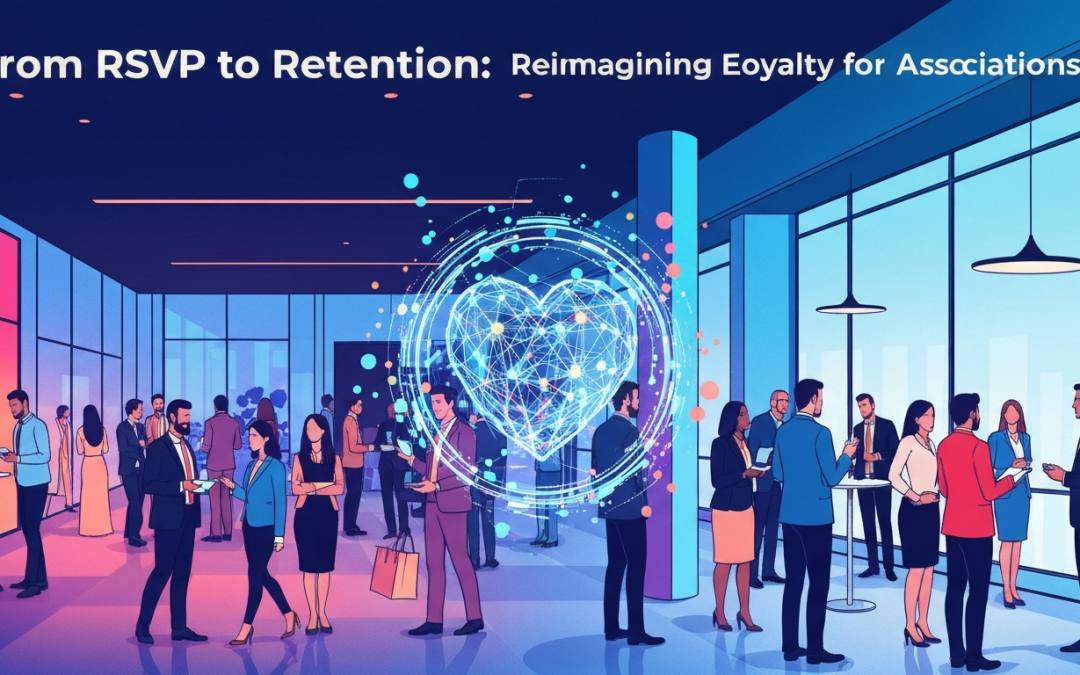
From RSVP to Retention: Reimagining Event Loyalty for Associations
Association professionals have long treated event attendance as a one-off transaction: a name on a guest list, a badge scanned at the door, a new calendar entry. But in today’s experience economy, the most valuable metric isn’t the number of RSVPs—it’s the strength of the ongoing relationship after the event ends. Reimagining RSVP as a gateway to lasting retention requires a shift from check-in metrics to lifecycle engagement, where every touchpoint reinforces value and belonging.
Why RSVP is the First Step, Not the Finish Line
RSVPs signal interest; retention signals trust and ongoing engagement. An effective retention strategy treats the event as the first chapter in a longer narrative. When members feel seen before, during, and after an event, they are more likely to renew, participate in programs, refer colleagues, and become ambassadors. The goal is to transform a momentary commitment into a sustained relationship.
From RSVP to Retention: A Practical Framework
Here are actionable pillars to reframe your event strategy around retention:
- Personalized onboarding: Immediately after registration, welcome members with tailored agendas, relevant sessions, and suggested networking contacts based on interests, track records, and stated goals.
- Community-driven experiences: Design spaces for ongoing connection—peer roundtables, mentor-matching, and member-led sessions that extend beyond the event’s timeframe.
- Content as continuity: Deliver post-event on-demand content, recap newsletters, and action-oriented takeaways that help members apply what they learned to their work.
- Micro-credentials and progress: Offer badges, certificates, or point systems that acknowledge continued participation in sessions, committees, or volunteer roles.
- Feedback loops that close the loop: Collect insights during and after events, then demonstrate how input leads to tangible changes.
Strategies that Work: Tactics You Can Implement
Turn ideas into concrete actions with these tactics:
- Segmented communications: Create emails and reminders tailored to member type (new, returning, volunteer, sponsor) and engagement level. Use timing, not just content, to guide interactions.
- Lifecycle-based agendas: Map event tracks to lifecycle stages (exploration, immersion, contribution). Ensure each stage offers next-step opportunities that feel natural and valuable.
- Pre-event matchmaking: Leverage data to suggest connections, sessions, and sponsors that align with professional goals, increasing perceived relevance and engagement.
- Post-event action plans: Provide an individualized plan outlining how attendees can apply learnings, join communities, or take on roles within the association.
- Community hubs: Build online forums, Slack channels, or LinkedIn groups where attendees continue discussions, share resources, and collaborate on projects.
Data with empathy: Measuring what matters
Retention success hinges on meaningful metrics, not vanity numbers. Focus on:
- Net retention rate of members who attended vs. those who did not
- Participation in post-event programs, committees, or volunteer opportunities
- Engagement across channels (email opens, portal logins, content downloads, forum activity)
- Member-satisfaction trends and sentiment over time
- Time to renewal and upgrade in membership tiers
Couple these metrics with qualitative feedback. A short post-event interview or a sentiment survey can reveal whether the experience translated into ongoing value, not just a warm memory.
Technology that supports loyalty, not complexity
Choose tools that streamline the journey rather than complicate it. Consider:
- A CRM or AMS that tracks member history across events and programs
- Marketing automation capable of behavior-based messaging (onboarding, reminders, follow-ups)
- Community platforms that integrate with event data to surface relevant discussions
- Self-serve portals where members manage preferences, access materials, and opt into programs
A note on culture and care
Process and technology matter, but the heart of retention is culture. When staff consistently demonstrates that member input shapes programming, when volunteers feel empowered to lead, and when sponsors see tangible member outcomes, loyalty flourishes. The RSVP becomes a pledge to nurture a living community, not just a one-time headcount.
Closing: Reimagining the arc of engagement
By reframing RSVP as the doorway to retention, associations can build enduring ecosystems where members continually discover relevance, contribute meaningfully, and invite others along. The result is not merely higher attendance at events, but a resilient, engaged community that grows with you year after year.
Recent Comments