
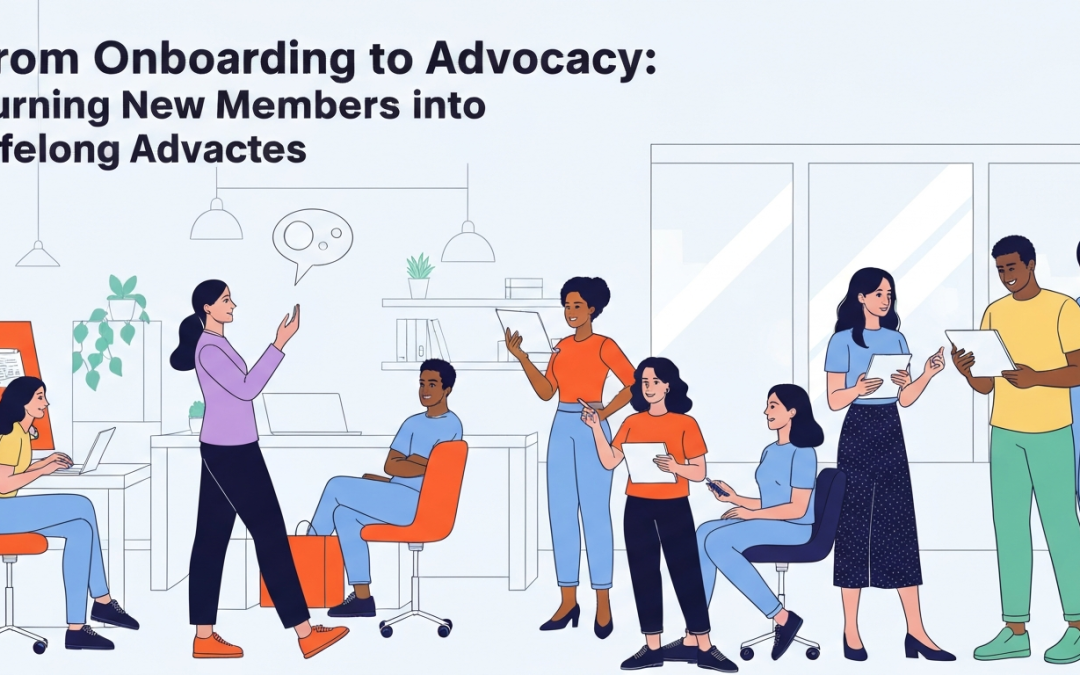
From Onboarding to Advocacy: Turning New Members into Lifelong Advocates
Welcome to a journey that starts the moment someone joins your community and ends with them proudly championing your cause. The transition from onboarding to advocacy isn’t a single step but a thoughtfully designed path that builds trust, competence, and a sense of belonging. When new members feel seen, equipped, and energized, they become natural ambassadors who extend your impact beyond the initial sign-up.
Design a Warm, Clear Onboarding Experience
The onboarding experience sets the tone for everything that follows. It should be welcoming, informative, and purposeful. A well-crafted onboarding program helps new members understand who you are, what you stand for, and how they can contribute.
- Provide a concise welcome message that highlights shared values and the mission.
- Offer a guided tour of key resources, including forums, events, and ways to engage.
- Set expectations about time commitments, communication styles, and available support.
- Assign a friendly onboarding mentor or peer buddy to answer questions in the first weeks.
Clear milestones and a predictable sequence of steps reduce overwhelm and invite active participation from the start.
Educate with Practical, Actionable Guidance
Knowledge is empowerment. Equip new members with practical information that translates into real-world action. The goal is to move from “I know about this organization” to “I can contribute meaningfully today.”
- Offer concise summaries of your programs, impact metrics, and success stories.
- Provide templates, scripts, and checklists that lower barriers to participation.
- Highlight low-friction ways to contribute, such as sharing content, attending a local event, or volunteering a few hours.
- Host regular Q&A sessions to address questions and gather feedback.
Content should be accessible, inclusive, and aligned with diverse member backgrounds and time constraints.
Cultivate Belonging Through Community
Advocacy thrives in communities where people feel connected. Facilitate relationships that extend beyond formal participation and nurture a sense of collective identity.
- Create small, diverse groups or circles where members can form meaningful connections.
- Promote peer recognition—spotlight volunteer efforts and celebrate wins together.
- Encourage collaboration on projects that allow members to contribute in their strengths.
- Provide inclusive spaces for feedback, discussion, and idea sharing.
When members see themselves as part of a larger movement and as trusted voices within it, their commitment deepens.
Empower Through Advocacy Training
Advocacy is about communicating value, persuading with empathy, and modeling constructive engagement. Equip members with the skills to advocate responsibly and effectively.
- Offer public speaking or storytelling workshops that help members articulate impact.
- Teach listening, conflict resolution, and respectful dialogue techniques.
- Provide guidelines for ethical advocacy, including transparency about goals and funding.
- Share best practices for engaging with policymakers, media, or community partners, tailored to your context.
Practice-based training, feedback loops, and real-world opportunities reinforce learning and confidence.
Create Accessible Pathways to Leadership
Advocacy is most powerful when members can take on leadership roles. Clear, attainable pathways encourage ongoing engagement and deepen commitment.
- Offer tiered roles that match experience and time availability, from ambassadors to project leads.
- Facilitate mentorship from seasoned advocates to new leaders.
- Document processes, decision rights, and accountability measures so members know how to advance.
- Highlight opportunities to co-create initiatives, ensuring shared ownership and responsibility.
Leadership development should be intentional and ongoing, with measurable progress and recognition.
Measure Impact and Iterate
A sustainable advocacy program evolves. Regularly assess what works, listen to member voices, and refine your approach.
- Track engagement metrics, retention, and advocacy outcomes such as referrals, event attendance, and policy influence.
- Solicit feedback through surveys, focus groups, and open forums.
- Experiment with new formats—micro-donations campaigns, storytellings, or regional meetups—and scale what resonates.
- Share learnings transparently with the community to build trust and momentum.
By continuously aligning onboarding, education, belonging, empowerment, leadership, and feedback, you turn new members into lifelong advocates who amplify your mission with authenticity and enthusiasm.
Recent Comments