
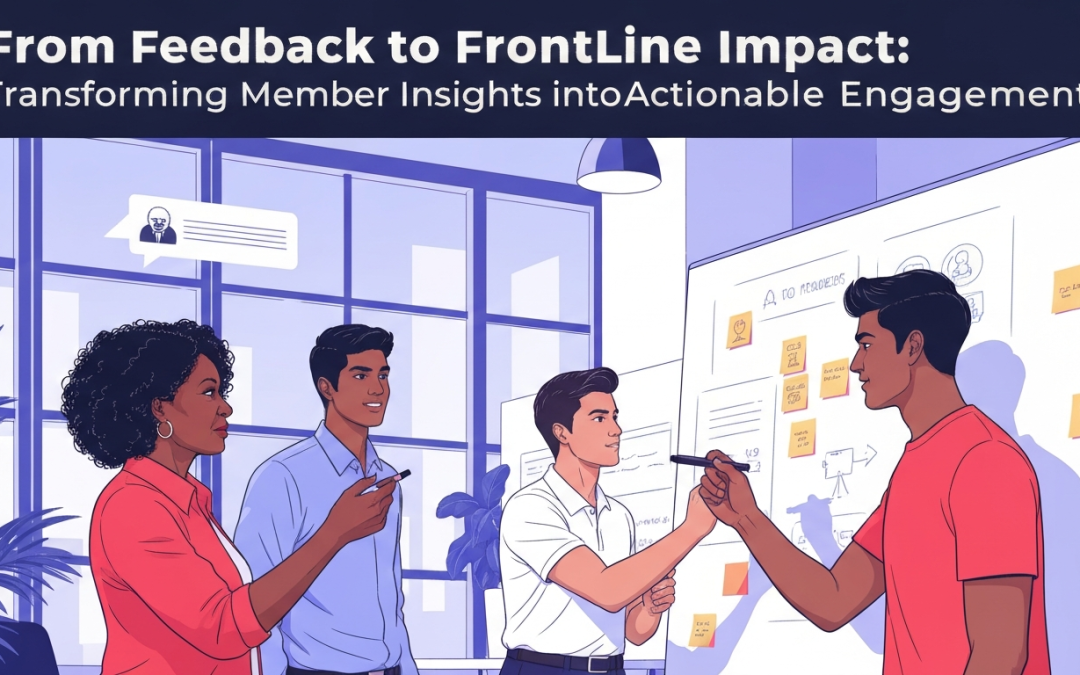
Why member feedback matters
Member insights are more than data points — they are signals that reveal how your organization is performing in the real world. When feedback is collected, organized, and understood, it becomes a compass for frontline teams, product designers, and leadership. Yet many programs stall at the collection phase, leaving potential impact untapped. The goal is to close the loop: listen deeply, interpret accurately, and act with intention.
From insights to action: a practical mindset
Turning feedback into action requires a clear path from raw input to concrete changes. Start with a concise problem statement and a small, cross-functional team responsible for follow-through. Prioritize issues based on impact and feasibility, not just frequency. Finally, commit to rapid iterations: implement, measure, learn, and adjust. This discipline ensures that member voices shape tangible improvements rather than getting lost in dashboards.
Strategies for frontline impact
Frontline teams—customer service, sales, community moderators, and device support—are the closest to members. Empower them with:
- Context-rich briefs: Share the backstory behind common feedback so agents understand why a change matters.
- Decision-rights: Give teams the authority to pilot small fixes and collect quick results without excessive approvals.
- Rapid experimentation: Launch low-risk trials, such as revised scripts, new self-help content, or streamlined intake forms.
- Closed-loop communication: Notify members when their input leads to an improvement, reinforcing trust and engagement.
When frontline staff see a direct link between feedback and action, motivation rises and member relationships deepen. The most successful programs treat frontline teams as co-designers, not just implementers.
Turning qualitative stories into measurable changes
Qualitative feedback is rich, but organizations also need quantitative signals to track progress. Combine methods to build a robust evidence base:
- Categorize feedback into themes (e.g., onboarding, product reliability, communications), and map each theme to a potential action.
- Define success metrics before implementing changes (e.g., reduced response time, higher CSAT, increased feature adoption).
- Run controlled tests where possible (A/B tests, pilot groups) to isolate the impact of specific changes.
- Monitor leading indicators (frequency of mentions, sentiment trends) to catch issues early.
This blended approach helps translate stories into numbers you can act on, while preserving the humanity of member experiences.
A practical playbook for teams
Use this lightweight framework to keep momentum:
- Capture: Use a consistent channel and template for member feedback, ensuring details like timing, context, and desired outcome are recorded.
- Clarify: Distill feedback into 1–3 actionable problems per cycle, with owner assignments and due dates.
- Act: Implement small, reversible changes and document the rationale and expected impact.
- Assess: Measure outcomes against predefined metrics within a short window (2–6 weeks).
- Communicate: Close the loop with members and internal stakeholders, sharing wins, learnings, and next steps.
Culture and governance that sustain momentum
Feedback programs thrive in a culture that values curiosity, speed, and accountability. Establish governance that keeps feedback from slipping into a black box:
- Role clarity: Define who owns each theme, who approves changes, and who reports results.
- Cadence: Schedule regular review meetings to discuss trends, blockers, and success stories.
- Transparency: Public dashboards or newsletters that highlight progress and next actions keep teams aligned.
- Member-centric rituals: Periodically invite members to validate changes and share outcomes with the community.
Measuring broader impact
Beyond immediate improvements, assess how changes affect member trust, retention, and advocacy. Look for signals such as longer engagement, higher referral rates, and improved sentiment in communities. When impact metrics align with member well-being, your organization earns a durable competitive advantage built on meaningful engagement.
Closing reflection
Feedback is not the final destination but a starting point for frontline impact. By structuring insights, empowering teams, and maintaining disciplined iteration, you turn member voices into actionable engagement that strengthens trust, improves products, and fuels sustained growth.
Recent Comments