
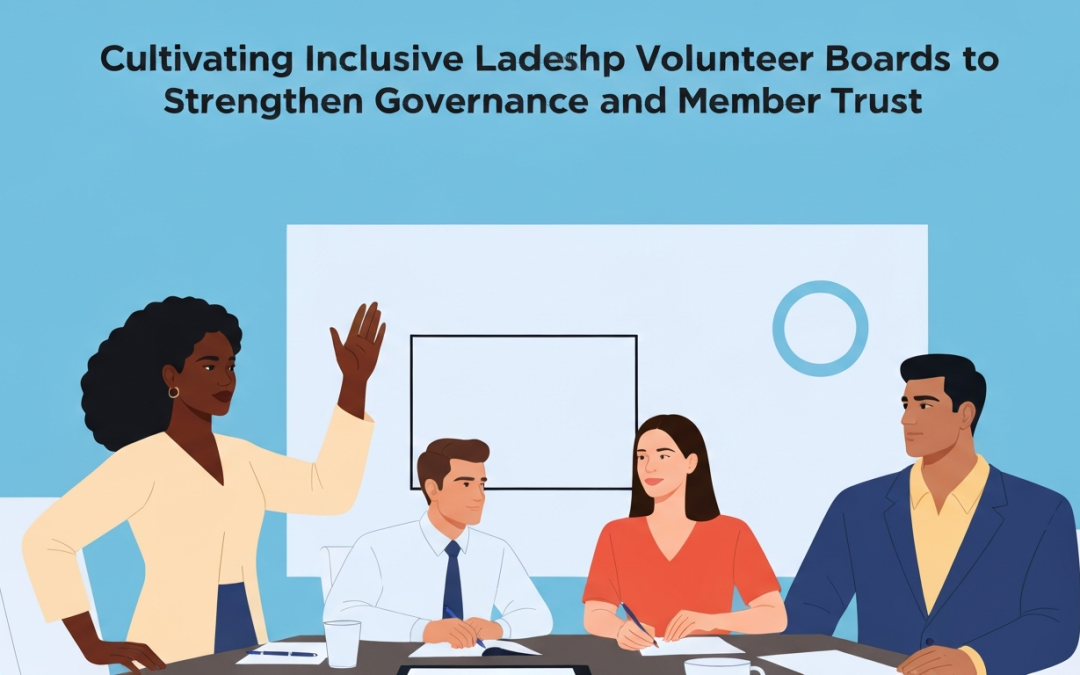
Why Inclusive Leadership Matters for Volunteer Boards
Volunteer boards form the backbone of many organizations, guiding strategy, stewardship, and community impact. When leadership practices are inclusive, boards tap a wider range of experiences, voices, and networks. This breadth strengthens governance by improving risk awareness, decision quality, and legitimacy with members and stakeholders. Equally important, inclusive leadership builds trust among volunteers who often balance many commitments and expect to be heard, valued, and respected.
Foundations of Inclusive Governance
Inclusion is more than a policy statement; it is a daily practice embedded in how meetings are run, how decisions are made, and how conflicts are managed. Effective inclusive leadership:
- Recognizes and leverages diverse perspectives to challenge assumptions
- Creates transparent decision-making processes that invite dialogue
- Prioritizes psychological safety so all voices can speak up without fear
- Ensures equitable participation across backgrounds, roles, and expertise
Strategies for Cultivating Inclusive Leadership
Boards can take concrete steps to become more inclusive and effective:
- Revisit the board composition to reflect the community served, including age, ethnicity, gender, geography, and professional backgrounds.
- Establish clear norms for meetings, including timeboxing, rotating discussion leads, and structured input methods.
- Adopt a collaborative decision model, such as a consent agenda with explicit opportunities for concern and input.
- Provide ongoing leadership development focused on inclusive facilitation, cultural humility, and anti-bias awareness.
- Create allyship protocols that encourage mentors and allies to support underrepresented members.
Practical Steps to Implement This Year
Turn intention into action with a practical plan that fits your organization’s cadence and capacity:
- Conduct a board self-assessment to identify gaps in diversity, inclusion, and governance effectiveness.
- Redesign the onboarding process to include mentorship, context setting, and role-specific expectations for new members.
- Ring-fence time in every meeting for input from quieter members, perhaps by using round-robin sharing or digital polling.
- Rotate committee chairs or meeting facilitators to distribute leadership opportunities and prevent power consolidation.
- Publish a short annual report on inclusion efforts, with measurable goals and progress updates.
Measuring Progress and Accountability
Effective boards track what matters. Consider a balanced approach that blends quantitative metrics with qualitative feedback:
- Metrics: diversity indicators (demographics, backgrounds), attendance rates, and meeting participation breadth (number of voices heard per meeting).
- Feedback: quarterly anonymous surveys, open hours with the executive director, and facilitated debriefs after major decisions.
- Accountability: assign a board champion for inclusion who partners with staff to monitor progress and adjust practices as needed.
- Transparency: publicly share governance improvements and the rationale behind key decisions to reinforce trust.
Building Trust Among Members and the Community
Trust is cultivated through consistency, accountability, and care. Inclusive leadership reinforces trust by:
- Modeling respectful dialogue, even when disagreements arise
- Ensuring every member knows how to contribute and why their input matters
- Demonstrating reliability through timely communication and follow-through on commitments
- Connecting governance decisions to the organization’s mission and impact in the community
Challenges to Anticipate and How to Address Them
As with any cultural shift, boards may encounter friction. Anticipate and respond with:
- Resistance to changing traditional power dynamics by inviting early victories that showcase inclusive success
- Over-reliance on familiar networks by proactively seeking diverse candidates and creating inclusive vacancy postings
- Tokenism concerns by reinforcing meaningful roles and giving every member real influence over outcomes
Closing Thoughts
Inclusive leadership on volunteer boards is not a quick fix but a strategic practice that strengthens governance and deepens member trust. By embedding inclusive norms, expanding voices, and measuring progress with honesty, boards can guide organizations with greater wisdom, resilience, and relevance in a changing world.
Recent Comments