
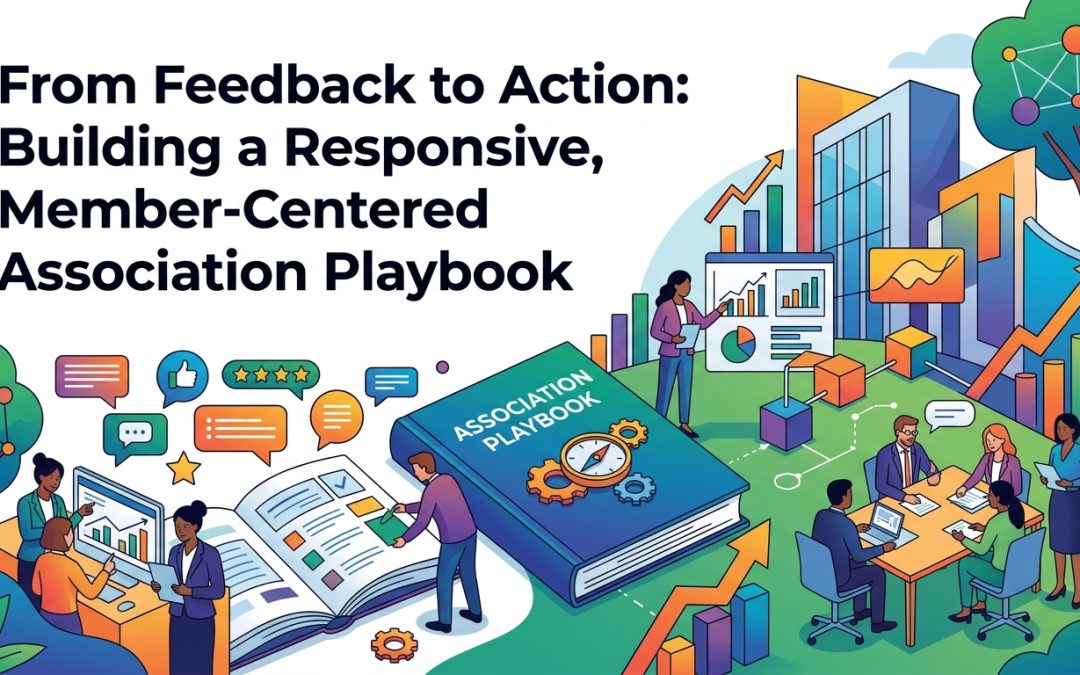
In member-oriented organizations, feedback is a gift—one that becomes powerful only when it is translated into clear, practical actions. This post outlines a responsive, member-centered playbook that helps associations turn insights into tangible improvements, align stakeholders, and build trust with the members you serve.
Understanding the Feedback Loop
Effective feedback management starts with a simple idea: listen, interpret, act, and then close the loop. When you close the loop, members see that their voices lead to real changes, which in turn increases future participation and trust.
- Collect: Use multiple channels (surveys, focus groups, open forums, quick polls) to capture diverse perspectives.
- Filter: Distill feedback into themes, prioritizing issues with the greatest impact on member value and organizational strategy.
- Act: Define concrete initiatives, owners, deadlines, and success metrics for each major theme.
- Close the loop: Communicate back to members about what was heard, what will change, and why some requests may not be feasible.
Designing a Responsive, Member-Centered Playbook
A playbook is more than a document; it is a living framework that guides decision-making, resource allocation, and a culture of accountability. The following structure helps ensure responsiveness and clarity across teams.
- Mission-aligned goals: Tie every initiative to the core value proposition for members—what they gain by participating and renewing.
- Owner assignments: Assign a clear owner for each initiative, with authority to mobilize teams and track progress.
- Timeline and milestones: Set realistic yet ambitious timelines, with checkpoints that allow course corrections.
- Transparency: Publish progress dashboards for staff and select member-facing views to build trust.
From Insight to Initiative: Practical Steps
To translate feedback into action, break work into manageable, auditable steps. This approach reduces ambiguity and keeps initiatives moving forward.
- Prioritize by impact and feasibility: Use a simple scoring framework to rank initiatives and avoid overloading teams.
- Prototype and pilot: Test ideas with small groups before rolling out organization-wide to learn quickly and iterate.
- Resource planning: Map required budgets, staff time, and technology needs before green-lighting projects.
- Communication planning: Craft concise messages that explain the why, what, and when of each change to members and staff.
Measuring Success in a Member-Cocused Way
Traditional metrics like attendance numbers matter, but member-centered success hinges on perceived value, engagement quality, and trust. Track both quantitative and qualitative signals to understand the real impact of your playbook.
- Value metrics: Net value delivered, member satisfaction, and perceived relevance of offerings.
- Engagement signals: Active participation across channels, repeat participation, and peer referrals.
- Trust indicators: Clarity of communication, transparency of process, and timeliness of responses to feedback.
- Cycle time: Time from feedback receipt to decision, and from decision to deployment.
Culture, Governance, and Accountability
A responsive association requires a culture that rewards listening and acting, not just planning. Governance practices should ensure that member voices are represented in decision-making and that accountability is clear at every level.
- Member representation: Include member volunteers or advisory groups in priority setting and review cycles.
- Clear ownership: Document roles, responsibilities, and decision rights for each initiative.
- Regular reviews: Schedule quarterly check-ins to assess progress, recalibrate priorities, and celebrate wins.
- Adaptive governance: Build flexibility into policies so the organization can pivot in response to new feedback and changing needs.
Closing the Loop with Confidence
When members see that their feedback leads to concrete, timely action, trust deepens and engagement grows. A well-crafted playbook not only accelerates decision-making but also reinforces a member-centric mindset across the organization. Start small, measure thoughtfully, and scale responsibly to turn feedback into lasting impact for your association and its community.
Recent Comments