
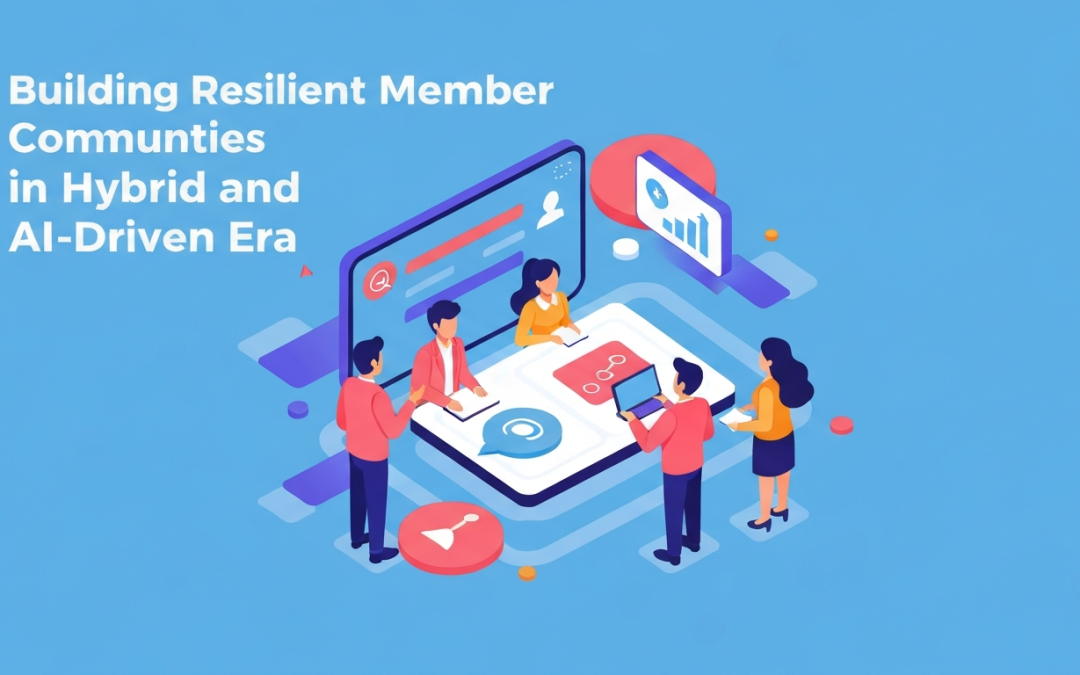
Why resilience matters in hybrid communities
In a world where teams split time between in-person spaces and digital interfaces, resilience isn’t a luxury—it’s a necessity. Hybrid and AI-driven environments offer extraordinary opportunities for collaboration, scale, and inclusivity. Yet they also introduce new blind spots: uneven participation, information silos, and a growing gap between intention and impact. Building resilient member communities means designing for continuity, adaptability, and trust so that every voice can contribute, regardless of location or tech preference.
Key principles for a resilient hybrid ecosystem
To create durable communities, focus on these guiding principles:
- Clear purpose and shared values that hold across channels
- Transparent decision-making and accessible governance
- Equitable participation that invites diverse perspectives
- Adaptive processes that evolve with technology and needs
- Psychological safety where members feel encouraged to speak up
Strategies for hybrid and AI-driven environments
Couple human-centered practices with intelligent tools to sustain momentum.
- Structured rituals: consistent weekly check-ins, roundtables, and recap briefs that bridge in-person and online attendees
- Accessible information architecture: centralized knowledge hubs, tagging, and search functionality that are AI-assisted but human-curated
- Inclusive collaboration practices: meeting norms, asynchronous contributions, and deliberate facilitation to prevent dominance by a single channel
- Data-informed decisions: lightweight dashboards that track participation, sentiment, and outcome quality without weaponizing metrics
- Responsive governance: flexible rules that can adapt as tools evolve, with clear escalation paths
Fostering engagement across channels
Engagement thrives when members see their impact and feel connected. Use a mix of tactics to sustain energy and belonging.
- Role clarity: define contributor roles for projects, mentoring, and peer reviews so everyone knows how they can help
- Mentorship loops: pair new members with veterans, with AI-assisted onboarding that personalizes guidance
- Micro-recognitions: celebrate small wins in public channels to reinforce value and motivation
- Storytelling and shared narratives: publish member spotlight stories that highlight diverse paths to impact
- Feedback channels: low-friction ways to voice concerns and ideas, with timely responses from leaders
Leveraging AI responsibly
AI can accelerate coordination and insight, but it requires thoughtful governance.
- Bias safeguards: monitor prompts, outputs, and decisions for unintended favoritism or exclusion
- Transparency: explain how AI contributes to decisions and what data sources are used
- Privacy and consent: protect member data and provide opt-outs for sensitive uses
- Human-in-the-loop: keep critical judgments with people, using AI to augment rather than replace empathy and context
- Continuous learning: iterate on AI tools based on member feedback and measurable outcomes
Measuring resilience and progress
Simple, useful metrics help you gauge health without overwhelming teams.
- Participation breadth: share of members contributing in a given period
- Cross-channel cohesion: consistency of messages and decisions across in-person and online spaces
- Decision velocity and quality: time to decisions and perceived soundness by members
- Psychological safety indicators: perceived safety to speak up in surveys and conversations
- Impact reach: how many members are benefiting from initiatives and how outcomes align with purpose
Closing thoughts
Building resilient member communities in a hybrid and AI-driven era isn’t about mastering tools alone. It’s about cultivating trust, clarity, and human connection in the midst of shifting technologies. When structures are clear, participation is inclusive, and AI acts as a thoughtful enabler, communities can weather disruption and grow stronger because every member feels seen, heard, and equipped to contribute.
Recent Comments