
Why onboarding sets the foundation for lifelong advocacy
First impressions matter. When new members join a community, organization, or program, they bring energy and expectations. A thoughtful onboarding experience signals that their time and contribution are valued, and it clarifies how they can meaningfully participate. The goal isn’t just to inform but to inspire a sense of belonging, ownership, and momentum that carries forward long after the welcome emails are sent.
Design a welcoming, clear onboarding funnel
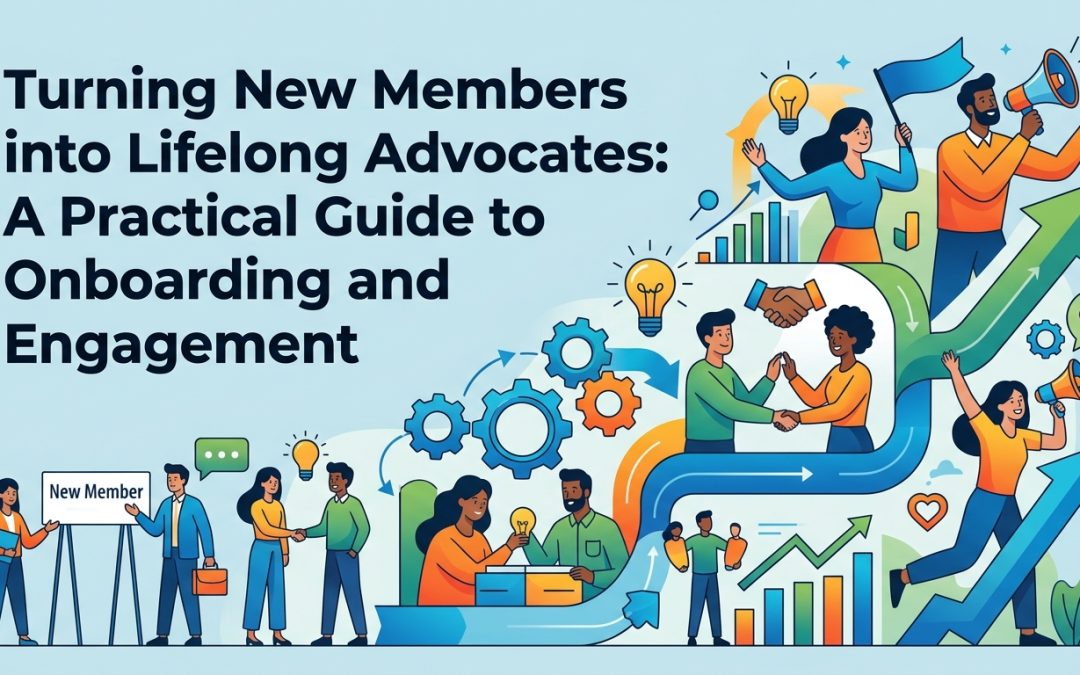
An effective onboarding funnel walks a new member from curiosity to confidence in just a few steps. Consider these stages and concrete actions you can take at each:
- Orientation – Share the mission, values, and impact. Provide a simple guide to key resources, including how to get help and where to start with small, achievable tasks.
- Connection – Facilitate quick wins and introductions. Pair new members with a buddy or mentor, and host a casual meet-and-greet to build belonging.
- Contribution – Invite meaningful opportunities aligned with interests and skills. Offer a spectrum of roles, from light-touch tasks to longer-term commitments.
- Recognition – Acknowledge early contributions publicly and privately. Show appreciation, highlight impact, and reinforce the path to deeper involvement.
Provide a low-friction, high-value first experience
Your first interactions should deliver tangible value without demanding too much time. This reduces friction and builds trust. Ideas include:
- A curated starter kit with essential resources and a quick-start checklist.
- A short, optional survey that matches interests to opportunities.
- Ready-to-tick tasks that demonstrate impact within days, not weeks.
- An accessible welcome message from leadership that communicates gratitude and vision.
Build a personal, human onboarding journey
People connect with people, not with processes. Infuse onboarding with personal touches and clear, human guidance:
- Assign a dedicated onboarding guide who serves as a go-to contact for the first 30–60 days.
- Share stories of real members who began small and grew into advocates.
- Offer regular, predictable touchpoints—weekly check-ins, monthly office hours, and quarterly feedback sessions.
Foster engagement through structured pathways
Guided pathways help members move from passive participants to active advocates. Create clear routes for involvement:
- Micro-roles that require 1–2 hours per week, lowering barriers to entry.
- Skill-aligned opportunities that leverage existing talents and provide growth.
- Projects with visible impact that can be completed collaboratively and showcased publicly.
- Leadership ladders with milestones that lead to mentorship, committee work, or speaking roles.
Encourage advocacy through recognition and storytelling
Advocacy grows when members feel seen and heard. Make it easy for them to share their experiences and invite others to join:
- Public recognition for milestones and contributions in newsletters, social channels, and events.
- Templates and prompts that simplify inviting friends or colleagues to participate.
- Member-generated stories, case studies, or testimonials that highlight real-world impact.
Measure, learn, and iterate
A data-informed approach keeps onboarding and engagement effective. Track both process metrics and outcomes, and use findings to improve the experience:
- Onboarding completion rates and time-to-first-impact.
- Engagement depth: how many members take on advanced roles after joining.
- Advocacy indicators: referrals, speaking engagements, and case-study contributions.
- Qualitative feedback from surveys, interviews, and listening sessions.
Practical next steps
To turn new members into lifelong advocates, implement these practical steps this quarter:
- Draft a 30-day onboarding plan with clear milestones and a dedicated guide.
- Create a starter kit and a 1-page welcome guide that explains how to get involved fast.
- Design two micro-roles and one skill-based project to offer immediately after onboarding.
- Launch a quarterly storytelling session where advocates share impact moments and invite others to join.
Conclusion: the momentum advantage
Onboarding is more than a welcome packet; it is a living pathway that shapes how new members perceive their potential impact. When designed with clarity, humanity, and opportunity, an onboarding experience becomes the first chapter of a long, influential relationship—where new members evolve into trusted advocates who sustain and amplify your mission.
Recent Comments