
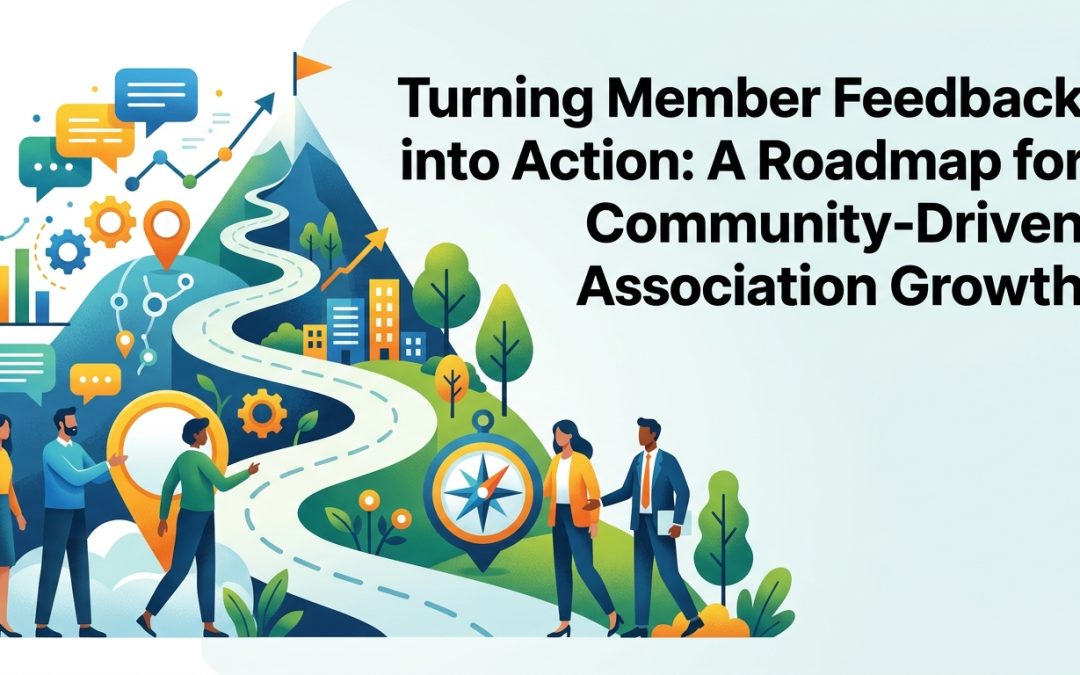
Turning Member Feedback into Action
In every thriving association, member feedback is the heartbeat that keeps programs relevant, resources aligned with needs, and culture focused on shared goals. Yet many organizations struggle to translate conversations into concrete action. The path from listening to impact isn’t a mystery; it’s a deliberate workflow that combines listening, prioritization, transparent communication, and measurable follow-through. Below is a practical roadmap you can adapt to your community-driven growth goals.
Capture Feedback with Clarity and Consistency
The first step is to collect input in a way that is accurate, inclusive, and easy to analyze. A well-designed feedback loop reduces bias and ensures every member’s voice can be heard, not just the loudest few. Consider these practices:
- Offer multiple channels: surveys, open forums, focus groups, social media threads, and one-on-one conversations.
- Use standardized questions for comparability, paired with optional open-ended prompts to capture nuance.
- Ensure anonymity where appropriate to encourage candor.
- Document the context for each piece of feedback (who, when, why) to aid interpretation.
Decode and Prioritize: Turning Noise into Signals
Raw feedback is noisy unless you have a clear framework to interpret it. Create a lightweight scoring system that helps you compare input based on impact, feasibility, and alignment with your mission. A simple approach might look like:
- Impact: How many members would benefit? How transformative is the change?
- Feasibility: What resources, time, and risks are involved?
- Alignment: Does this support your strategic pillars and core values?
Rank each idea or request, group related items, and identify quick wins vs. longer-term bets. Visual tools like a simple matrix or a dashboard can keep the team aligned and stakeholders informed.
Turn Insights into a Roadmap
With a prioritized catalog of ideas, translate them into a concrete plan. A clear roadmap helps maintain momentum and accountability. Consider these elements:
- Timeframes: Define short-, medium-, and long-term targets (e.g., 1–3 months, 3–9 months, 9–18 months).
- Owner and accountability: Assign champions for each initiative and establish cadence for updates.
- Milestones and success metrics: Decide how you’ll measure progress (member satisfaction, engagement rates, participation in programs, retention).
- Dependencies and risks: Flag cross-team dependencies and potential obstacles early.
Communicate, Demonstrate, and Close the Loop
Feedback loses momentum when members don’t see that their input matters. Transparent communication and visible progress are essential to sustaining trust. Build a cycle of updates that closes the loop:
- Share what you heard: Summarize themes from feedback and acknowledge contributions.
- Explain the decision process: Why some ideas moved forward while others did not, including trade-offs.
- Provide progress reports: Regular updates on status, milestones reached, and upcoming steps.
- Invite ongoing input: Create a living document or channel for new feedback on rolled-out changes.
Scale with a Culture of Accountability
For a community-driven growth model to work at scale, accountability must be baked into the organization’s culture. Embed practices that sustain momentum and ensure resource stewardship:
- Documentation: Maintain a central, accessible repository of ideas, decisions, and outcomes.
- Resource planning: Align budgets and staffing with the roadmap’s priorities.
- Governance: Establish review cycles where leadership, volunteers, and members assess progress and re-prioritize if needed.
- Recognition: Celebrate teams and members who contribute valuable feedback and help execute initiatives.
Examples of Community-Driven Wins
Consider concrete outcomes that demonstrate the power of member feedback when put into action:
- New programs launched in response to member demand, leading to higher participation and retention.
- Improved services or resources based on user testing and surveys, increasing perceived value of membership.
- Structural changes to governance or events that reflect member priorities, boosting trust and engagement.
Start Today: A Simple First Step
Begin with a compact feedback audit: gather input from a representative cross-section of members, summarize themes, and identify one or two quick-win initiatives you can pilot within 90 days. Publish your plan, assign owners, and schedule a mid-cycle check-in. Small, well-executed actions build credibility, momentum, and a foundation for scalable, community-driven growth.
Recent Comments