
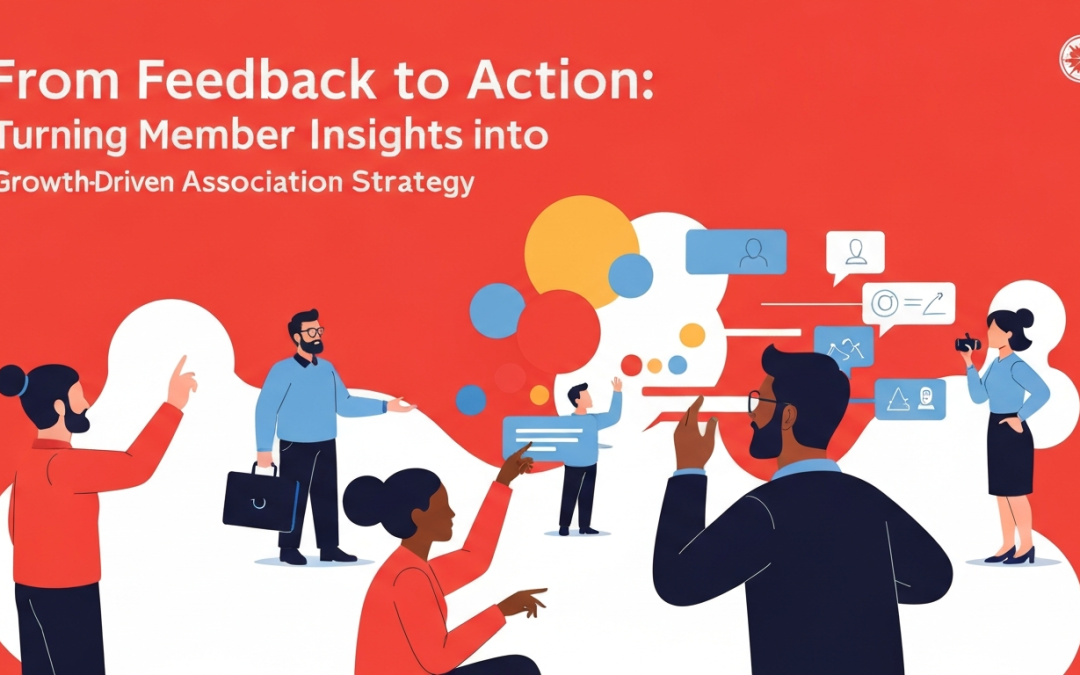
From Feedback to Action: Turning Member Insights into Growth-Driven Association Strategy
Member feedback is more than a courtesy; it is a compass for growth, a mirror of needs, and a blueprint for intentional change. For associations, where trust, relevance, and value are the currency of engagement, translating insights into strategic moves can unlock membership growth, deeper loyalty, and sustainable impact. The challenge is not collecting opinions but turning them into a coherent, prioritized plan that stakeholders can own.
Why member feedback matters in a growth-driven strategy
Feedback provides a reality check against assumptions about what members want. It highlights opportunities that might otherwise remain invisible, from gaps in programming to evolving expectations around networks, advocacy, and professional development. When guidance comes directly from the people an association serves, decisions gain legitimacy, cross-functional alignment improves, and momentum builds around shared goals.
How to collect high-quality insights (ethically and effectively)
Successful insight gathering blends art and rigor. It respects member time, protects privacy, and yields actionable data.
- Define clear objectives for each feedback activity to avoid data overload.
- Use a mix of qualitative and quantitative methods, such as surveys, focus groups, and listening sessions.
- Ask specific, behavior-oriented questions (e.g., what topics would you attend next quarter, or what outcomes do you seek from our programs?).
- Ensure transparency by sharing how feedback will influence decisions, and publish a concise outcomes report after major surveys.
- Segment insights by member type, tenure, and engagement level to reveal nuanced preferences.
From data to action: turning insights into strategy
Raw feedback is only potent when connected to strategic priorities. The most effective associations translate qualitative themes into measurable actions, tied to goals like growth, retention, or impact.
- Map insights to strategic pillars: value delivery, community, advocacy, and learning ecosystems.
- Prioritize themes using criteria such as impact, feasibility, time horizon, and alignment with mission.
- Develop a portfolio of initiatives with clear owners, timelines, and success metrics.
- Prototype and test: pilot new programs with a small group, learn, adapt, and scale responsibly.
- Close the loop by communicating outcomes and next steps to members and internal teams.
Practical steps to implement a feedback-driven plan
Turn theory into practice with this action-focused playbook that many associations find surprisingly practical.
- Establish a feedback governance council with cross-department representation to steward insights.
- Create a living “insights backlog” that items can move through from discovery to decision to delivery.
- Translate themes into annual or multi-year initiatives with milestones and resource requirements.
- Design value proofs for new offerings, including expected outcomes, pricing considerations, and member eligibility.
- Embed feedback mechanisms into ongoing programming (event evaluations, post-program surveys, and member listening posts).
Measuring impact and staying accountable
Measurement is the bridge between intention and impact. When you can show that member insights led to tangible improvements, trust and participation rise. Focus on both leading indicators (early engagement, pilot participation) and lagging outcomes (retention, net growth, program satisfaction).
- Track adoption rates of initiatives and the time from insight to action.
- Monitor retention and upgrade patterns after implementing changes tied to feedback.
- Assess program quality through satisfaction scores, net promoter scores, and qualitative follow-ups.
- Evaluate community health metrics, such as active participation in networks, collaborations, and referrals.
- Regularly publish a transparent impact report that links member voices to concrete results.
Real-world mindset: a culture of learning and iteration
A growth-driven association treats feedback as an ongoing conversation, not a one-off project. It celebrates small wins, learns quickly from missteps, and evolves with the membership landscape. By embedding insights into the strategic cadence—planning, execution, review, and recalibration—associations become more resilient, relevant, and valued by those they serve.
Recent Comments