
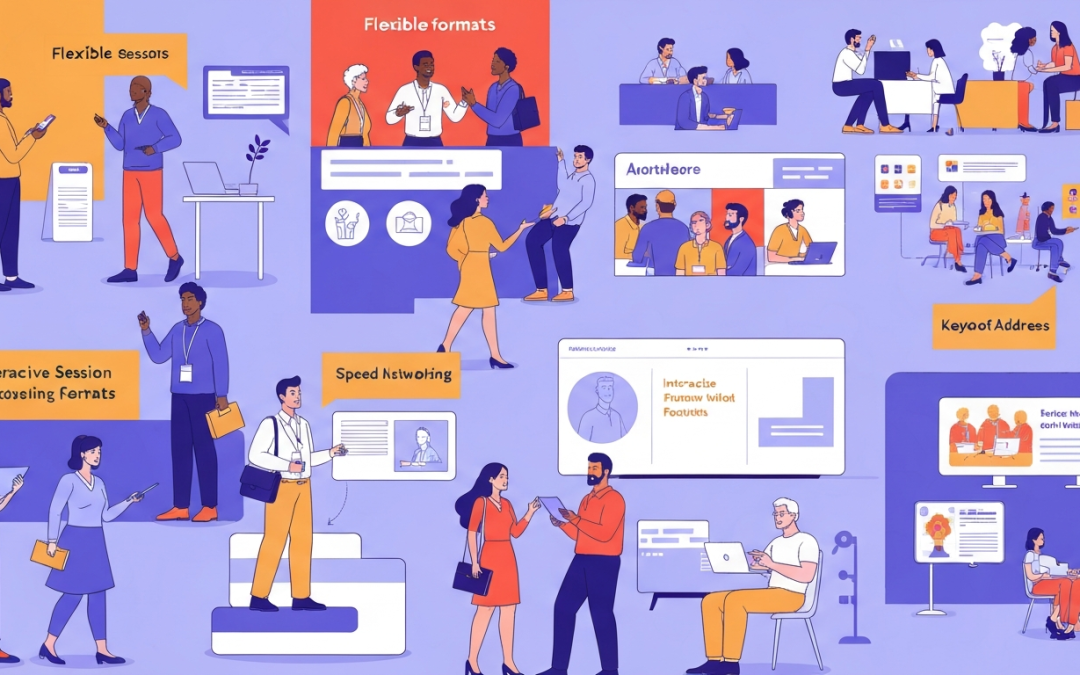
Why flexible session formats matter
Conferences are only as engaging as the experiences they offer. When organizers rely on a single, traditional format—panel talks followed by a Q&A—the room can feel static, and attendees may tune out. Flexible session formats, by contrast, invite participation, adapt to audience needs, and create momentum that carries through the entire event. By designing sessions that welcome different styles of learning and networking, you can raise energy, boost retention, and leave participants with practical takeaways they can apply long after the conference ends.
Core formats that unlock participation
Not every session needs to be radically different, but a mix of formats keeps energy high and accommodates diverse preferences. Consider incorporating a few of these:
- Lightning talks—Short, focused 5–8 minute presentations that cover a single idea or insight. They create a rapid, dynamic rhythm and expose attendees to a variety of perspectives.
- Unconference sessions—A bottom-up approach where attendees propose topics on a whiteboard, then form informal groups to discuss. This democratizes content and helps people connect around shared interests.
- Workshops and demonstrations—Hands-on sessions that emphasize practice, collaboration, and real-world application.
- Panels with audience integration—Panels that pause for live polling, rapid-fire Q&A, or breakouts to brainstorm solutions with participants.
- Open spaces and roundtables—Small, participatory circles focused on specific problems, experiences, or case studies.
Designing sessions with intention
Creative formats work best when they are designed with a clear purpose, smooth flow, and inclusive participation in mind. Start by outlining:
- Objectives — What should attendees learn, create, or decide by the end of the session?
- Audience needs — What backgrounds, roles, and goals do participants bring?
- Facilitation approach — Who will guide discussions, keep time, and ensure equal airtime?
- Accessibility and inclusion — Consider language, format options (spoken, visual, tactile), and seating arrangements that encourage interaction.
Flexibility is essential. Build in buffers for overrun or shifting interests, and have backup topics or formats ready if a session finishes early or needs to pivot.
Facilitation that fuels engagement
A great format needs a skilled facilitator who sets tone, invites participation, and manages dynamics. Tips for successful facilitation include:
- Clear ground rules — Explain expectations for civil discourse, time limits, and how to contribute.
- Structured spontaneity — Use prompts, polls, or quick brainstorms to capture ideas and keep energy high.
- Equitable airtime — Ensure quieter voices are invited in and dominant speakers don’t monopolize the floor.
- Visible outcomes — End sessions with concrete results, actions, or decisions that attendees can reference later.
Practical steps to implement flexible formats
Turn ideas into a smooth, repeatable process with these steps:
- Portfolio of formats — Curate a menu of session types with recommended timeframes and aims.
- Pre-event survey — Gather attendee interests to tailor formats and topics.
- Room and tech readiness — Ensure spaces support note-taking, whiteboarding, and remote participation if needed.
- Facilitator toolkit — Provide guides, prompts, and time-keeping tools to staff and volunteers.
- Post-session synthesis — Capture key takeaways in a shareable document or recap video.
Measuring impact and iterating
Engagement isn’t just about attendance; it’s about interaction and value. Track impact through a mix of quantitative and qualitative signals:
- Participation metrics — audience questions, breakout group sizes, and poll responses.
- Learning outcomes — attendee self-assessment of knowledge gain and skills practiced.
- Networking activity — follow-up connections, collaboration emails, or group formations post-session.
- Feedback loops — real-time comments and post-event surveys that reveal which formats resonated.
Use these insights to refine future programs. The most successful conferences treat session design as an ongoing experiment rather than a fixed prescription.
Closing thoughts
Designing dynamic conference experiences means embracing variety, clarity, and human connection. By blending flexible formats with thoughtful facilitation and measurable outcomes, you can create momentum, deepen engagement, and empower attendees to leave with actionable ideas. The result is a conference that feels alive—where every session invites participation, learning, and a sense that your time together was truly worth it.
Recent Comments