
Understanding First-Time Members
Every successful membership program starts with a clear picture of who a first-time member is, what they want, and what stands in the way of their commitment. The goal is not just to sign people up, but to spark trust, curiosity, and early wins. When you understand their motivations—whether it’s access to exclusive content, a sense of belonging, or practical benefits—you can design an experience that aligns with those needs from day one.
Map the Membership Journey
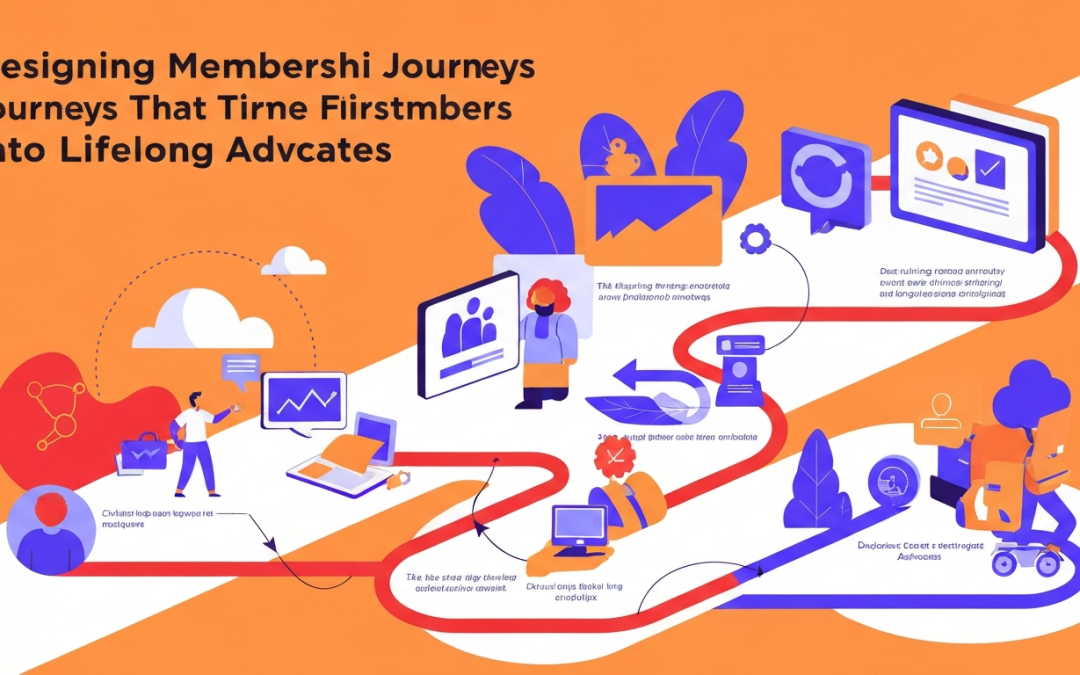
Design a visual map that charts the steps a new member takes from discovery to active participation. A well-crafted journey should include:
- Awareness and sign-up: how people learn about the program and join.
- Orientation: a guided introduction to benefits, community norms, and how to get value quickly.
- Engagement: initial activities, content, or events that demonstrate value.
- Activation: moments that convert passive members into regular participants.
- Advocacy: pathways for members to share, refer, or contribute to the community.
Onboarding Experiences That Deliver Quick Wins
First impressions matter. Create an onboarding sequence that delivers tangible advantages within the first week. Consider a welcome email, a start-up checklist, and a curated starter bundle of resources. Design content that is easy to consume, mobile-friendly, and action-oriented. Provide a simple path to a measurable outcome—whether it’s access to an exclusive event, a downloadable resource, or a connection to a mentor.
Clear Value Communication
Communicate value with clarity and consistency. Avoid jargon and emphasize outcomes. Use concise language to answer:
- What members can do immediately to gain value
- Where to find help and how to get support quickly
- How ongoing benefits accumulate over time
Regularly refresh messaging so new members see relevant benefits at each stage. A short onboarding video, a benefits catalog, and a “what to do this week” guide can reduce confusion and build confidence.
Engagement Touchpoints That Build Trust
Strategic touchpoints keep members moving along the journey. Balance automated sequences with human interaction to sustain momentum. Consider:
- Guided introductions to peers or mentors
- Welcome events, live Q&As, or office hours
- Checks-in messages to solicit feedback and celebrate small wins
- Personalized recommendations based on interests and activity
Turning Members into Lifelong Advocates
Advocacy should feel natural, not forced. Create opportunities for members to contribute in meaningful ways and reward generosity. Focus on three pillars:
- Community ownership: invite members to lead subgroups, host events, or share expertise
- Social proof: easy referrals, testimonials, and success stories that highlight real outcomes
- Reciprocity: programs that acknowledge and compensate members for mentoring, content creation, or evangelism
Measurement, Feedback, and Iteration
Good design is iterative. Establish metrics that reflect both short-term wins and long-term loyalty, such as activation rate, ongoing engagement, referral rate, and member lifetime value. Use surveys, quick polls, and qualitative interviews to capture sentiment and identify friction points. Treat feedback as a compass for continuous improvement rather than a one-off check-in.
Practical Tools and Templates
Equip your team with simple, reusable assets that maintain consistency across journeys. Helpful templates include:
- Onboarding email sequence with timelines and milestones
- Starter guide or welcome packet tailored by member persona
- Journey map diagram showing stages, goals, and owners
- Referral program outline and tracking sheet
Align ownership so every stage has a clear sponsor responsible for outcomes, content, and experiences. Sterile automation should be balanced with human warmth to preserve the human element that makes memberships feel meaningful.
Conclusion: Design with Empathy and Intent
Designing membership journeys that convert first-time members into lifelong advocates is about marrying clarity with care. Start with a deep understanding of member needs, map the journey end-to-end, and craft onboarding and engagement experiences that deliver visible value early and often. When members feel seen, supported, and rewarded for their participation, advocacy becomes a natural extension of the relationship rather than an afterthought. The result is a thriving community where growth is fueled by genuine connection and shared purpose.
Recent Comments