
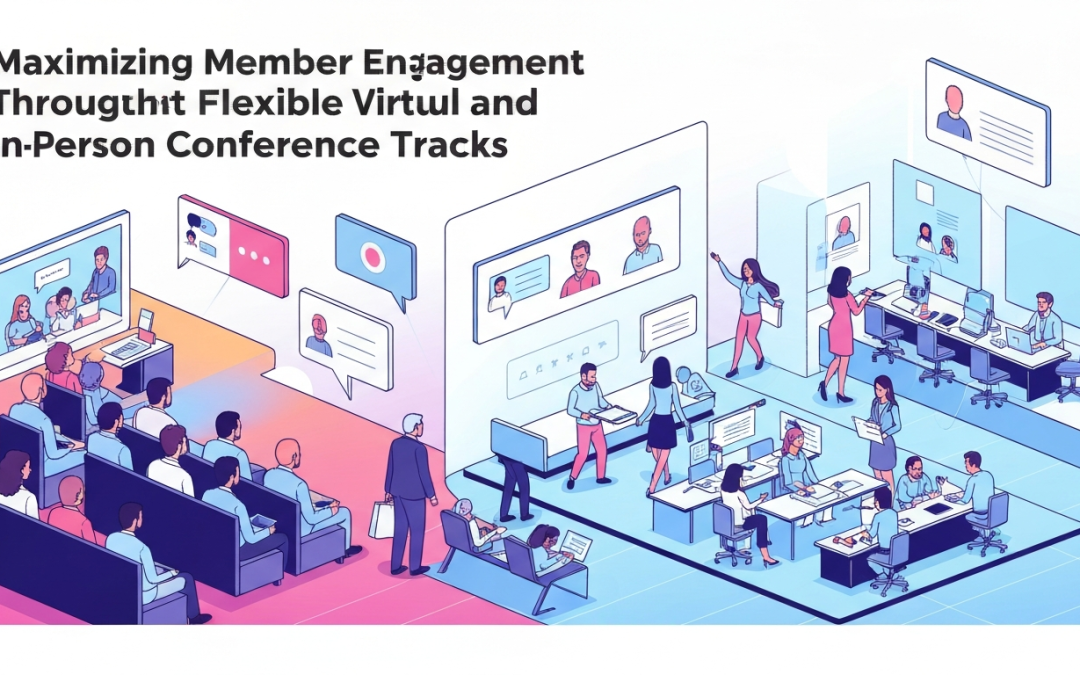
Why flexible conference tracks matter for member engagement
Conferences often feel like rigid events: fixed schedules, one-size-fits-all sessions, and a generic audience experience. Yet today’s members expect choices that fit their goals, time constraints, and personal preferences. Flexible tracks—blending virtual and in-person options—can boost participation, deepen learning, and grow community by meeting people where they are.
Design principles for hybrid engagement
Successful hybrid conferences don’t merely stream sessions; they craft an interconnected experience. Focus on accessibility, coherence, and value. Here are a few guiding principles:
- Clear track definitions that align with member interests and career stages
- Consistent levels of interaction across formats (Q&A, chats, polls, networking)
- Equitable access, ensuring virtual attendees have the same opportunities as in-person participants
- Seamless scheduling that minimizes conflicts between tracks
- Accessible design, including captions, recordings, and moderator guidance
Virtual tracks: maximizing reach and flexibility
Virtual tracks extend your conference’s footprint beyond the venue and time zone constraints. To maximize engagement online:
- Offer on-demand sessions alongside live broadcasts to accommodate different rhythms
- Use interactive formats such as live polls, breakout rooms, and collaborative whiteboards
- Curate virtual “slideshares” or micro-sessions for quick knowledge bites
- Provide a robust lobby and matchmaking feature to connect attendees with similar interests
- Ensure reliable streaming, low-latency chat, and accessible Zoom/Teams/Whova integrations
In-person tracks: fostering connection and immersion
In-person experiences remain powerful for relationship-building and hands-on learning. For in-person tracks to complement virtual ones:
- Schedule hands-on workshops, roundtables, and live demonstrations that benefit from physical presence
- Design networking moments with structured prompts, speed-meeting rounds, and attendee-led interest groups
- Provide clear signage, wayfinding, and a unified conference app so attendees switch between tracks with ease
- Offer hybrid-friendly spaces where in-person and virtual participants can interact, such as combined Q&A sessions
- Prioritize accessibility and comfort: seating, rest areas, and clear AV cues
Implementation checklist: making flexible tracks work
Turning a vision into a smooth experience requires planning and coordination. Use this practical checklist as a starting point:
- Define audience segments and map each segment to appropriate tracks (e.g., practitioners, researchers, students)
- Develop a single, evolving program with parallel and overlapping tracks to minimize schedule fatigue
- Invest in a unified conference technology stack that handles live streaming, recordings, and interaction tools
- Assign dedicated virtual and on-site track moderators to maintain engagement and energy
- Create an inclusive code of conduct and clear accessibility commitments
Measuring engagement and continuous improvement
Success isn’t a single metric; it’s a tapestry of participation, learning outcomes, and community connection. Consider both quantitative and qualitative measures:
- Attendance and session completion rates for each track
- Participation metrics: questions asked, polls answered, networking connections made
- Post-event feedback on content relevance, accessibility, and overall experience
- Retention of members across tracks and across the next event
- Qualitative stories: speaker highlights, new collaborations, or member-led initiatives sparked by the conference
Closing thoughts: a community-first approach
Flexible virtual and in-person conference tracks are not merely a logistical solution; they are a strategic approach to deepen member engagement. When tracks align with diverse needs, where virtual convenience meets in-person energy, and where every attendee feels seen and heard, communities flourish. Start with clear goals, empower your team with the right tools, and iteratively refine the balance between formats to sustain lasting connection and growth.
Recent Comments