
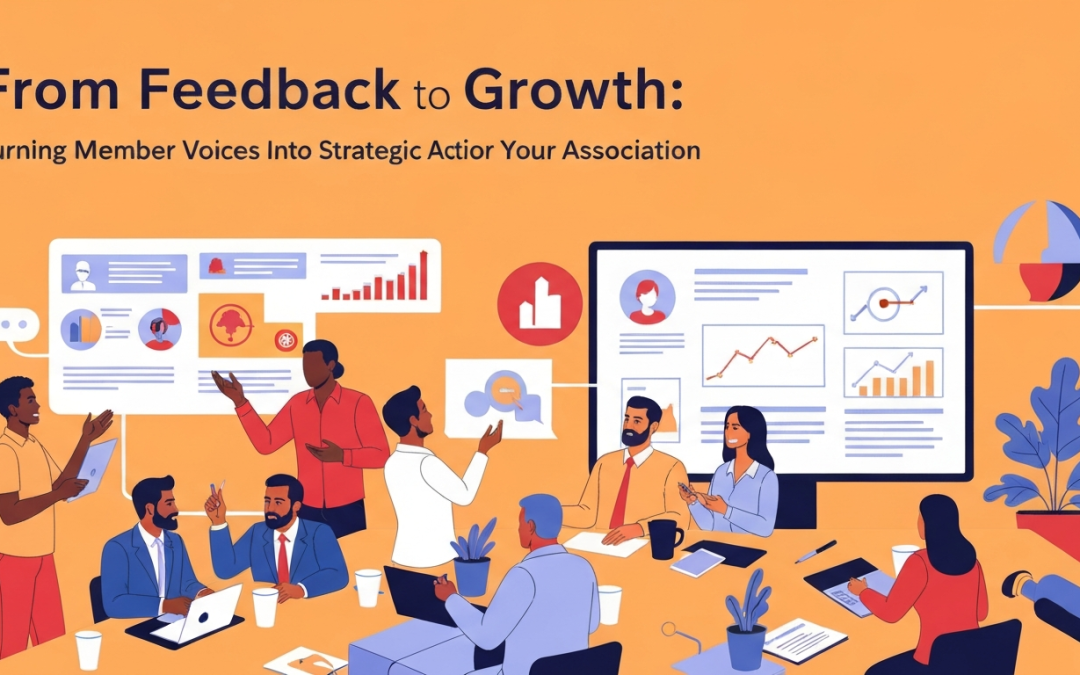
Feedback from your members isn’t a burden to endure—it’s a strategic fuel that can propel your association toward greater impact, relevance, and sustainability. When organized, analyzed, and acted upon, member voices transform into a clear roadmap for programs, services, and advocacy. This guide explores how to shift feedback from a collection of opinions into deliberate growth actions that align with your mission and your members’ real needs.
Why member feedback matters for strategic growth
Member feedback provides direct insight into the experiences, priorities, and pain points of those you serve. It helps you:
- Identify gaps between current offerings and member needs
- Prioritize initiatives that deliver the greatest value
- Forecast future trends and adapt before competitors or external pressures push you off course
- Build trust by showing that member voices shape decisions
Rather than treating feedback as a one-time survey, framing it as a continuous listening loop ensures your association remains responsive and resilient.
From feedback to insight: turning data into strategy
Collecting input is just the first step. The real work lies in turning diverse data into actionable insights. A practical approach involves:
- categorize feedback by theme (program quality, communications, services, governance, events)
- quantify sentiment and frequency to reveal which themes matter most
- connect feedback to your strategic goals and available resources
- distinguish quick wins from long-term bets
By mapping feedback to strategy, you create a transparent process where members can see how their input translates into real changes.
A practical framework: Listen, Analyze, Act, Evaluate
Adopt a simple, repeatable cycle that keeps feedback integrated into governance and program design.
- Analyze: Synthesize responses, identify themes, and quantify impact. Involve cross-functional teams to avoid siloed decisions.
- Act: Develop an action plan with clear owners, timelines, and success metrics. Communicate decisions back to members, including what changed and why.
- Evaluate: Measure outcomes against expectations, learn from missteps, and adjust the plan as needed.
Keep the loop short and regular—monthly or quarterly check-ins help maintain momentum and accountability.
Tools and methods to gather meaningful input
Choosing the right tools ensures you collect high-quality feedback without overburdening members.
- Short pulse surveys focused on a single topic
- Longitudinal surveys to track trends over time
- Moderated focus groups and listening sessions
- Open-ended feedback channels on your website or member portal
- Advisory councils or member champions who act as ongoing feedback conduits
Pair qualitative insights with quantitative data (participation rates, net promoter score, renewal rates) to strengthen your decisions.
Case example: turning a low-engagement program into a member-driven success
Imagine an association that hosts a national conference with diminishing attendance. Rather than replace the event outright, leadership launched a member listening tour and an on-site feedback lounge. They discovered:
- sessions were too broad and not aligned with regional needs
- networking formats didn’t facilitate meaningful connections
- digital access to content was inconsistent for remote members
Armed with these insights, the team redesigned the conference around regional tracks, added structured networking sessions, and invested in a robust hybrid experience. Attendance rose, member satisfaction improved, and partner sponsors praised the targeted engagement. This is a concrete example of how feedback can spark a practical, scalable shift.
Next steps: building a culture of feedback-driven growth
To sustain momentum, consider these practical moves:
- appoint a dedicated feedback lead or small team with decision-making authority
- publish an annual impact report that links feedback to funded initiatives
- recognize and credit members who contribute ideas and participate in the process
- align incentives for staff and volunteers to value member input as part of performance goals
When feedback becomes a natural part of your strategic fabric, growth emerges not from chance, but from intentional, member-centered action.
Recent Comments