
Introduction
For associations, member feedback isn’t just a courtesy—it’s a compass. When you listen carefully, you discover what keeps members engaged, what pushes them away, and how to create experiences that feel personal at scale. A closed-loop engagement strategy makes this feedback actionable, turning insights into retention, stronger communities, and long-term impact.
Why feedback matters for retention
Retention isn’t about a single perfect event or a one-time offer. It’s a continuous dialogue between the association and its members. Feedback helps you:
- Identify friction points in onboarding, events, communications, and benefits.
- Prioritize initiatives that truly move the needle for member value.
- Demonstrate accountability—members see that their input shapes real change.
- Build trust and a sense of belonging by showing you’re listening.
When feedback loops are closed, members feel heard, seen, and invested—key ingredients for sustained engagement and renewal.
Designing a closed-loop engagement process
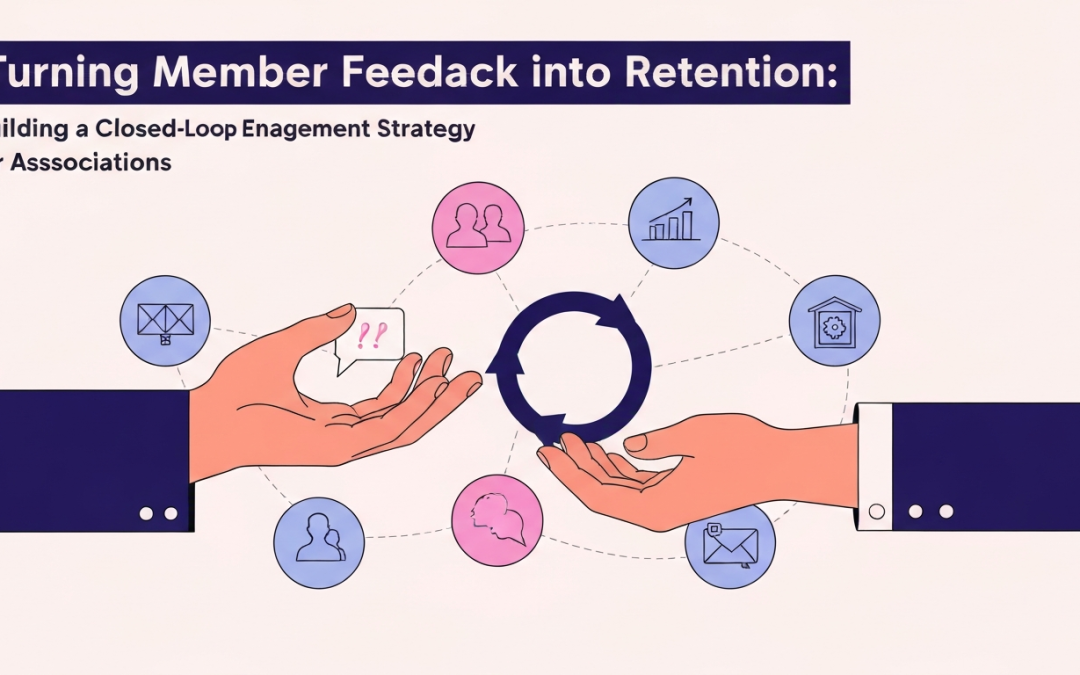
A closed-loop system follows a simple rhythm: ask, listen, act, and report back. The goal is not only data collection but transparent, meaningful action that members can observe.
1) Ask with intention
Craft surveys, polls, and channels that balance depth with respect for members’ time. Focus on:
- What matters most to members right now (benefits, content, events).
- Specific friction points (onboarding, payment, communication frequency).
- Suggestions for improvement and signals of satisfaction.
2) Listen with context
Consolidate feedback from multiple sources—surveys, NPS, forums, support tickets—and tag themes. Use a simple scoring model to gauge urgency and impact, so critical issues get attention quickly.
3) Act with transparency
Turn insights into concrete initiatives. This is where the closed loop becomes visible:
- Assign owners and deadlines for each action item.
- Prioritize changes that align with your strategic pillars (education, networking, advocacy, or benefits).
- Communicate what will change and why, even if some requests can’t be implemented immediately.
4) Close the loop
Follow up with members who provided feedback. Let them know how their input influenced decisions, what changed, and what’s next. This step is essential for trust and ongoing engagement.
Measuring success and iterating
A closed-loop strategy thrives on measurement. Track both process metrics and outcomes to understand impact and refine your approach.
- Process metrics: response rate to surveys, time-to-action, ownership clarity, and communication cadence.
- Outcome metrics: changes in renewal rates, event attendance, member satisfaction (NPS or CSAT), and usage of benefits.
- Learning velocity: how quickly you convert feedback into action and communicate results.
Regular reviews—quarterly or biannually—keep the loop vibrant. If you notice diminishing returns, revisit your feedback prompts, expand channels, or adjust prioritization.
Practical tips for associations
- Centralize feedback data in a shared system so everyone can see and act on it.
- Tag feedback by member segment (career stage, region, membership tier) to tailor solutions.
- Communicate progress in multiple formats: brief updates, case studies, and dashboards for leadership.
- Celebrate quick wins publicly to demonstrate momentum and accountability.
- Protect member time: keep surveys short, offer optionality, and provide clear value for participation.
Conclusion
Turning member feedback into retention is not a one-off project. It’s a disciplined, humane approach to engagement that respects members’ voices and translates them into meaningful action. By building a closed-loop strategy—collecting insights, acting with intent, and reporting back—you create a virtuous cycle: more relevant offerings, stronger loyalty, and a thriving association community.
Recent Comments