
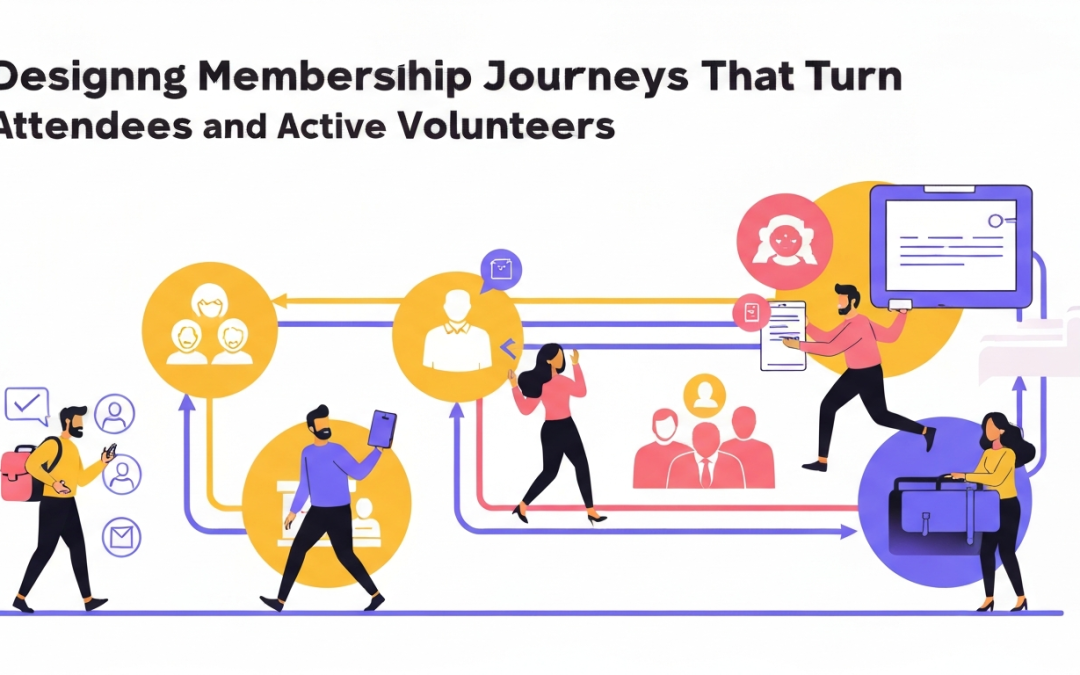
Designing Membership Journeys That Turn Attendees into Advocates and Active Volunteers is about more than signups and swag. It’s a cohesive path that cultivates belonging, trust, and momentum long after the event ends. When designed thoughtfully, events become catalysts that convert casual attendees into vocal supporters who donate time, skills, and credibility. This guide outlines practical steps to map, measure, and optimize that journey.
Map the Ideal Journey from Attendee to Advocate
Begin with the end in mind. Visualize the full arc from first contact, to attendance, to ongoing engagement, to advocacy and volunteering. Identify moments that matter—where attendees feel seen, inspired, or empowered. Common milestones include:
- Registration and pre-event onboarding
- Participation in sessions and activities
- Post-event reflection and resource sharing
- Formal invitations to join committees, ambassador programs, or volunteer teams
- Ongoing communication and opportunities to contribute
Document the desired outcome at each milestone, such as “attendee signs up for newsletter,” “participates in a mentorship circle,” or “volunteers at least twice per quarter.”
Design Touchpoints That Feel Personal and Purposeful
Attendee-centric design means meeting people where they are, not where you wish they were. Use a blend of digital and human touchpoints to build trust and belonging:
- Onboarding emails with a clear path to get involved
- Small, meaningful interactions during the event (quiet rooms, 1:1 check-ins)
- Post-event micro-actions (surveys, resource downloads, social sharing prompts)
- Invite-only forums or cohorts for deeper connections
Offer choices rather than requirements. Provide multiple “entry ramps” into advocacy and volunteering, from lightweight social media shares to hands-on leadership roles.
Turn Attendees into Advocates with Value-Driven Roles
The key is to connect what attendees care about with tangible ways to contribute. Create a spectrum of engagement that aligns with different motivations and time commitments:
- Ambassador program: earn badges, access exclusive content, amplify messages
- Mentor or peer-leader roles for new attendees
- Content creators: write posts, host webinars, or share case studies
- Event volunteers: help plan, run sessions, or manage logistics
- Community champions: moderate forums, welcome newcomers, recognize peers
Communicate clear expectations, lightweight commitments, and a path to greater involvement. Recognize contributions publicly and meaningfully, not just with access to perks, but with impact statements like “this volunteer helped 20 attendees get connected.”
Activate Volunteers with Structure and Support
Volunteering works best when it feels collaborative, not burdensome. Build a lightweight governance model and provide real support:
- Roles with documented responsibilities, timelines, and success metrics
- Orientation sessions and buddy systems for new volunteers
- Regular check-ins, feedback loops, and recognition moments
- Trainer resources and templates to reduce setup friction
Offer flexible engagement options: one-off tasks for busy people, recurring commitments for steady contributors, and leadership tracks for those seeking responsibility. Make it easy to say yes with clear next steps and a simple signup flow.
Measure, Learn, and Iterate
Data should guide decisions, not punitive metrics. Track both quantitative signals and qualitative sentiment:
- Conversion rates at each journey stage (registration → onboarding → advocacy signup → volunteering)
- Engagement depth (session participation, resource downloads, forum activity)
- Volunteer retention and advancement through the program
- Net promoter sentiment and peer-to-peer referrals
Use short, periodic surveys and lightweight analytics dashboards. Conduct quarterly reviews to refine roles, messaging, and touchpoints based on feedback and impact data.
Practical Templates and Next Steps
To get started, customize these templates for your organization:
- Attendee journey map with milestones and owners
- Volunteer role catalog with responsibilities and onboarding checklists
- Welcome sequence for new advocates, including first action prompts
- Feedback loop plan with cadence and channels
Design with intention, measure with curiosity, and iterate with generosity. When attendees feel seen, supported, and valued, turning them into advocates and active volunteers becomes a natural outcome—one event, one connection, and one contribution at a time.
Recent Comments