
Why onboarding matters
When someone joins your community, club, or organization, the first experiences they have will frame everything that follows. A thoughtful onboarding process doesn’t just teach new members what to do; it signals that they belong, are valued, and can contribute meaningfully. The result is a higher likelihood of continued engagement, positive word-of-mouth, and, eventually, lifelong advocacy.
Designing a warm welcome
The first 30 days are a window of opportunity. Create rituals and touchpoints that feel effortless, not overwhelming. A welcoming culture should be easy to navigate, with clear guidance and opportunities to connect with peers.
Key elements to include:
- A personal welcome message from a key member or mentor
- A concise onboarding guide that outlines goals, roles, and boundaries
- An orientation that pairs newcomers with seasoned members for the first tasks
- Accessible pathways to ask questions and receive timely answers
- Low-stakes first tasks that demonstrate impact without pressure
A playbook for onboarding
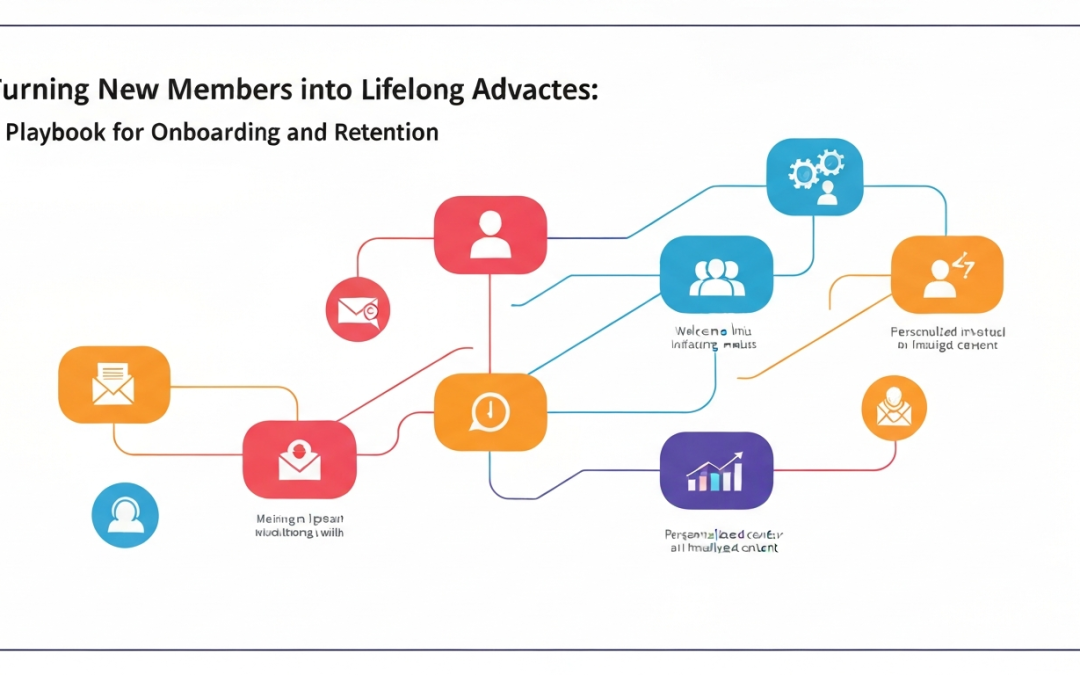
Turn onboarding into a repeatable, human experience that scales. The playbook below blends structure with flexibility so diverse members can thrive.
- Pre-boarding: Share expectations, benefits, and next steps before the first day. Offer a quick survey to tailor the onboarding.
- First-week goals: Help new members complete core tasks, meet 3–5 peers, and identify a go-to person.
- Role clarity: Provide clear descriptions of responsibilities, decision rights, and who to contact for roadblocks.
- Social integration: Create community threads, welcome calls, or in-person meetups to spark connections.
- Guided exploration: Offer a curated path through key resources, events, and impact opportunities.
Tools that support retention
Onboarding is the foundation; retention is the ongoing practice of keeping members engaged and valued. Use these tools to sustain momentum.
- Mentor programs: Pair newcomers with experienced members for ongoing guidance and friendship.
- Micro-recognitions: Acknowledge contributions publicly and privately to reinforce value.
- Progress tracking: Provide dashboards or checklists that show milestones and impact over time.
- Regular check-ins: Schedule brief, recurring touchpoints to address needs and celebrate wins.
- Community rituals: Establish recurring events, forums, or newsletters that create anticipation.
Turning members into advocates
Advocacy grows when members feel ownership and pride. Bridge the gap between participation and promotion with deliberate opportunities to share, invite, and lead.
- Invite-based growth: Encourage members to bring friends or colleagues to events; offer incentives that align with values, not sales.
- Advocacy roles: Create ambassador positions, peer mentors, or content creators who represent the community.
- Co-creation: Invite new members to contribute ideas, plan events, or review materials—ownership fuels commitment.
- Storytelling: Highlight member journeys through case studies, testimonials, or short videos.
- Feedback loops: Act on member feedback visibly; when people see their input shaping the community, they become more invested.
Measuring success and iterating
To refine the playbook, track what matters most: engagement, retention, and advocacy indicators. Use lightweight, regular measurements that inform quick improvements rather than heavy audits.
- Activation rate: The share of new members who complete core onboarding tasks within a defined period.
- Time-to-meaningful-contribution: How long until a member takes on a leadership, mentorship, or content role.
- Net promoter sentiment: Simple surveys asking how likely members are to recommend the community.
- Retention curve: Track member activity over time to identify drop-off points and opportunities to re-engage.
- Advocacy actions: Count invitations sent, ambassador activities, or user-generated content created by members.
Closing thought
Turning new members into lifelong advocates isn’t a one-off event; it’s an ongoing practice built on empathy, clarity, and shared purpose. When onboarding feels welcoming, guidance is clear, and participation is meaningful, members become your strongest ambassadors—spreading energy, trust, and growth far beyond the initial intake.
Recent Comments