
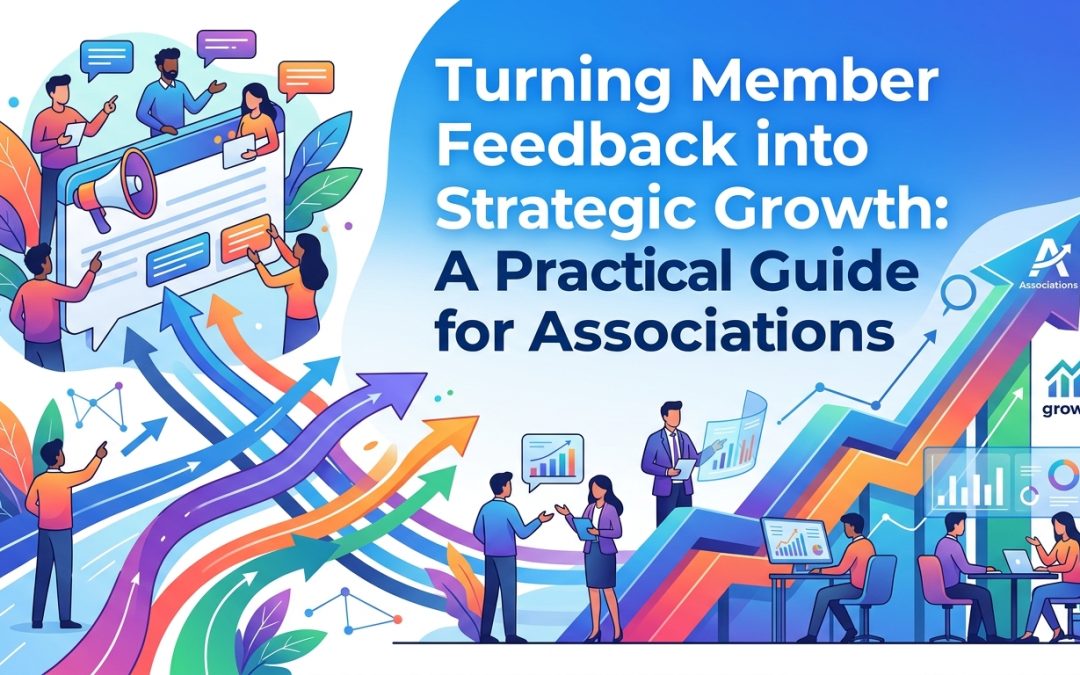
Turning Member Feedback into Strategic Growth: A Practical Guide for Associations
Member feedback is more than a courtesy—it’s a strategic compass for associations striving to stay relevant, efficient, and impactful. When collected and acted upon thoughtfully, feedback can illuminate gaps, validate opportunities, and align resources with what matters most to members. This guide offers a practical playbook to turn voices into structured growth, with clear steps, tools, and examples you can adapt to your organization’s unique context.
Capture Voice with Purpose
Effective feedback starts with a plan. Define the questions that will yield actionable insights rather than just opinions. Consider a mix of methods to reach diverse members:
- Short surveys after events to measure value and logistics.
- Annual or biennial member listening sessions for broader themes.
- Focus groups with volunteers, early-career professionals, and senior leaders to explore nuances.
- Open channels (forums, suggestion boxes, social media) for ongoing ideas.
Design questions that map to your strategic priorities—program relevance, pricing fairness, advocacy impact, and member experience, for example. Use a mix of rating scales, open-ended prompts, and scenario-based questions to capture both quantitative trends and qualitative stories.
Turn Data into Insight
Collecting data is only the first step; the real value comes from turning it into insights that drive decisions. A structured approach helps ensure consistency and accountability:
- Aggregate responses by member segments (new members, long-term members, volunteers, from different regions) to reveal distinct needs.
- Identify recurring themes and quantify their prevalence to prioritize actions.
- Triangulate feedback with operational metrics (revenue, attendance, churn, program usage) to validate impact.
- Document citizen stories or case studies that illustrate the human impact of decisions.
Create a simple dashboard for leadership: top three themes, potential actions, owner, and a timeline. This keeps the team focused and makes progress traceable.
Prioritize and Plan
Not every piece of feedback can be acted on immediately. A transparent prioritization framework helps you allocate scarce resources wisely:
- Impact: Will the action significantly improve member value or financial sustainability?
- Easiness: How quickly can the change be implemented?
- Strategic Fit: Does it align with core goals (advocacy, education, community, access)?
- Urgency: Do members expect a response soon or can it be phased?
Convert priorities into a concrete roadmap with short-, medium-, and long-term initiatives. Assign owners, set milestones, and establish success metrics. Share the plan publicly with members to build trust and accountability.
Close the Loop with Transparent Communication
Feedback without follow-through erodes trust. Communicate clearly about what you heard, what you’ll do, and why. This closes the feedback loop and invites continued engagement:
- Publish a “What We Heard” summary after major surveys or sessions, highlighting themes and actions.
- Announce quick wins to demonstrate momentum and responsiveness.
- Provide regular updates on longer-term initiatives, including timelines and decision points.
Invite member input on the proposed changes. Use town halls, polls, or micro-surveys to validate direction before execution. Demonstrating that feedback shapes reality is a powerful retention driver.
Close Gaps and Measure Impact
As you implement changes, establish short feedback loops to monitor effectiveness and adjust as needed. Focus on both experience and outcomes:
- Experience metrics: satisfaction, ease of engagement, perceived value.
- Outcome metrics: enrollment growth, retention rate, program attendance, net revenue per member.
- Learning loops: what worked, what didn’t, and why. Capture these lessons in a living playbook.
Celebrate learning as a core organizational asset. Even when results aren’t perfect, transparent adaptation reinforces member trust and positions your association as a dynamic partner in members’ success.
Embed Feedback into Culture
Turn feedback from a quarterly exercise into a daily habit. Encourage staff, volunteers, and leaders to listen actively, ask clarifying questions, and bring member perspectives into decision meetings. Build a culture where feedback is welcomed, tested, and shared across teams.
By connecting the dots between member voices, strategic choices, and measurable results, associations can transform feedback into sustainable growth. The payoff isn’t just better programs—it’s stronger member relationships, clearer governance, and a resilient future. Start small, stay deliberate, and watch growth unfold as a thoughtful conversation with your members becomes your strategic advantage.
Recent Comments