
Introduction: Bridging Two Worlds
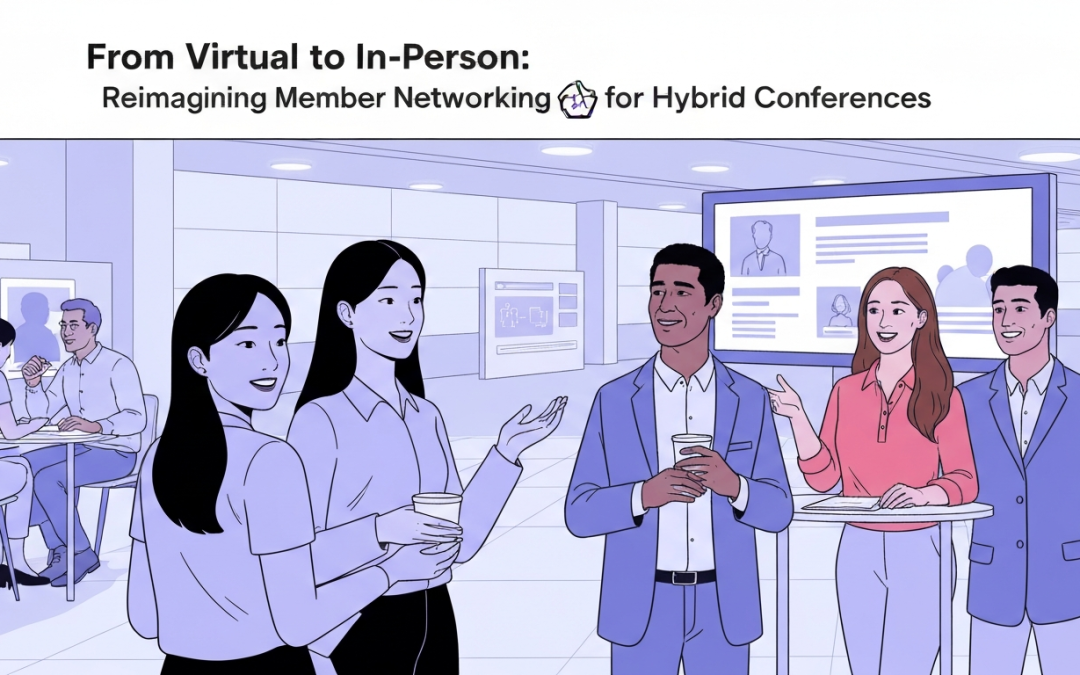
The rise of hybrid conferences has created a unique opportunity to fuse the best of virtual accessibility with in-person warmth. Members expect meaningful connections, not just screened agendas. This blog explores how organizers and attendees can reimagine networking in a way that feels natural, inclusive, and productive across both formats.
The Hybrid Challenge: What Changes When We Split the Audience
Hybrid conferences complicate traditional networking: screen fatigue, time zone hurdles, and the paradox of being simultaneously connected and apart. The goal is not to replicate the in-person coffee break online, nor to shove punishing schedules onto remote participants. Instead, design for intentional encounters that work regardless of the medium.
Designing Networking Moments: From Intent to Experience
Successful hybrid networking starts with clear, purposeful moments that invite participation. Consider these approaches:
- Guided meetups: Structured sessions with rotating small groups to ensure everyone speaks with multiple peers.
- Interest-based corridors: Virtual and physical spaces labeled by themes (e.g., funding, mentorship, regional markets) to spark pre-made connections.
- On-demand intros: Short video pitches or bios that attendees can browse before meeting, reducing small talk friction.
- Real-time collaboration: Shared spaces like live whiteboards or project rooms where mixed-format participants co-create something tangible.
Tools that Tie Virtual and In-Person Together
Technology should enable, not overwhelm. Choose tools that are accessible, reliable, and privacy-respecting:
- Unified networking platform: A single app or portal that handles schedules, attendee profiles, and chat for both audiences.
- Smart matchmaking: Algorithms that surface relevant connections based on goals, expertise, and interests.
- Low-friction interaction: Quick polls, emoji reactions, and instant meeting requests to maintain momentum during sessions.
- Moderation and safety: Clear etiquette guidelines and moderator oversight to foster inclusive conversations across formats.
Staff Roles and Space Design: Making It Work
A hybrid event succeeds when staff anticipate friction points and smooth them out before attendees notice. Key roles include:
- Experience designers: Translate abstract networking goals into tangible moments, both online and offline.
- On-site coordinators: Facilitate transitions between in-person and virtual spaces, ensuring tech is accessible to all.
- Volunteer ambassadors: Peer-to-peer connectors who help attendees discover meaningful conversations.
Best Practices: Tips for Presenters, Attendees, and Organizers
Implementation matters as much as concept. Here are practical tips to elevate hybrid networking:
- Set expectations early: Publish a networking agenda, what success looks like, and how to participate across formats.
- Offer time-stamped recaps: Daily highlights summarize key conversations and outcomes for those who missed sessions.
- Encourage pre-event intros: Allow attendees to share goals and interests before the conference begins to seed connections.
- Schedule inclusive windows: Build networking blocks that give remote participants peak engagement opportunity without requiring late-night slots for any time zone.
- Gather feedback in flight: Quick surveys after sessions help adjust formats while the event is ongoing.
Measuring Impact: What Counts as a Successful Connection
Metrics matter, but they should tell a story beyond attendance. Look for:
- Quality of conversations and depth of connections, not just the number of interactions
- Cross-format participation rates, showing remote and in-person attendees engage equally
- Follow-up actions spawned by networking moments, such as collaborations, job inquiries, or research partnerships
Conclusion: Reimagining the Member Network for the Hybrid Era
Hybrid conferences offer a chance to redefine what it means to connect. By designing purposeful networking moments, leveraging accessible tools, and fostering inclusive spaces, organizers can turn the split audience into a single, vibrant community. The future of member networking lies in intentional design, clear facilitation, and a willingness to iterate—so every attendee leaves with at least one meaningful connection, whether they walked the venue floor or logged in from afar.
Recent Comments