
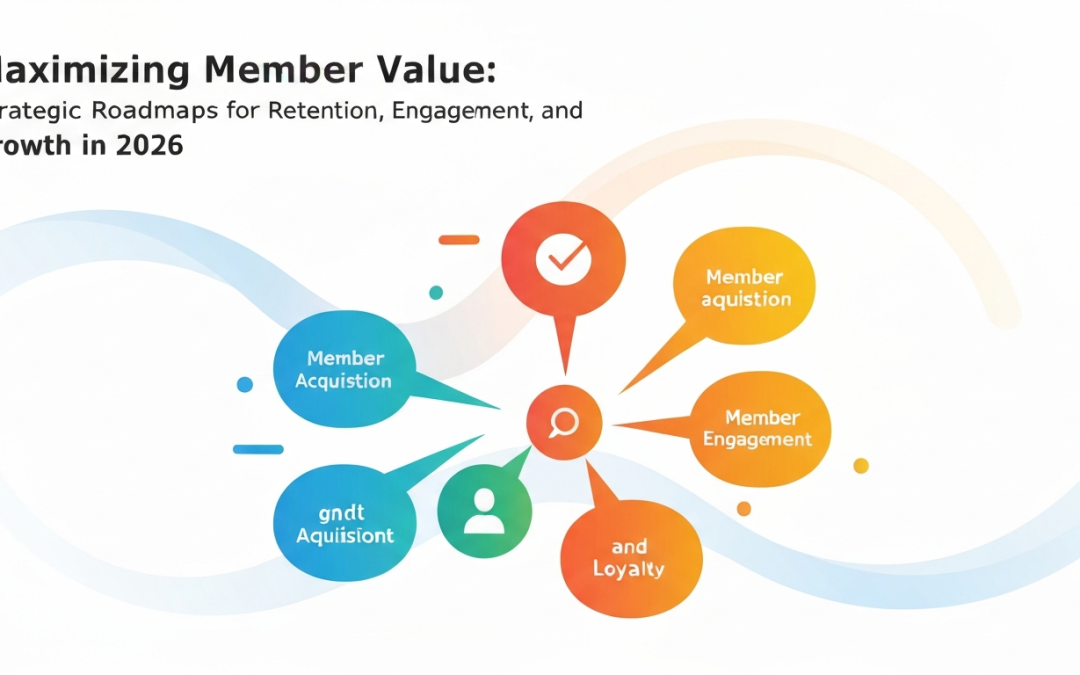
Introduction: A Blueprint for Member-Centric Growth in 2026
As membership-driven models continue to shape the modern landscape—from clubs and platforms to professional networks and subscription services—the question is no longer “how do we grow?” but “how do we grow in a way that keeps members loyal, engaged, and delighted over time?” A strategic roadmap that aligns retention, engagement, and growth creates a virtuous cycle: happier members stay longer, participate more, and invite others. This post outlines a practical, outcome-focused plan you can adapt in 2026.
Why a Roadmap Matters: Aligning Purpose with Metrics
A roadmap translates a vision into measurable actions. It helps teams prioritize initiatives, allocate resources, and track progress across quarters and years. By tying each initiative to concrete metrics—such as churn rate, active engagement, and referral velocity—you create accountability and clarity. The result is a repeatable process rather than a series of ad hoc fixes.
Three Pillars: Retention, Engagement, and Growth
Think of your strategy as three interconnected engines working in harmony:
- Retention: Keeping members long enough to realize value. Focus on onboarding, value delivery, and predictable renewal.
- Engagement: Encouraging meaningful interactions that reinforce value. Prioritize personalized experiences and community participation.
- Growth: Expanding impact through referrals, upsells, and network effects. Design with scalable leverage in mind.
Roadmap Components: What to Build and When
A practical roadmap combines discovery, strategy, and execution with clear milestones:
- Discovery and Value Mapping: Identify core member jobs-to-be-done, moments of truth, and friction points. Use surveys, interviews, and data analytics to map value streams.
- Objectives and Key Results (OKRs): Set ambitious but achievable goals for retention, engagement, and growth. Tie each objective to specific key results and owner teams.
- Initiatives and Experiments: Prioritize bets with high impact and low risk. Run controlled experiments, pilots, and A/B tests to learn quickly.
- Milestones and Timelines: Break the year into quarterly milestones, with go/no-go checks and revised assumptions as needed.
- Measurement and Feedback Loops: Establish dashboards for early warning signals, seasonality, and cohort analysis. Incorporate member feedback into iteration cycles.
- Governance and Communication: Assign accountable owners, review cadences, and transparent updates for stakeholders across product, marketing, and community teams.
Practical Tactics for 2026
These tactics help operationalize the roadmap in a changing ecosystem:
- Personalized Onboarding: Tailor the first 30 days using member segments and explicit path choices to accelerate value realization.
- Community-Driven Engagement: Build forums, events, and peer recognition that amplify network effects and belonging.
- Usage-Based Value Gates: Define what “value” looks like for different member types and unlock features gradually as they achieve milestones.
- Responsible Monetization: Offer value-aligned paid tiers, add-ons, or certifications with transparent ROI, avoiding feature fatigue and price shock.
- Data-Driven Personalization: Use privacy-respecting analytics to tailor content, recommendations, and communications.
- Partner Ecosystems: Expand value through trusted integrations, collaborations, and co-created content that broaden applicability.
From Plan to Practice: Building a Sustainable Cadence
Turn your roadmap into a living system by instituting a regular cadence of review and realignment. Quarterly planning should include a retrospective on what worked, what didn’t, and what changed in member needs. Maintain a transparent backlog, visible dashboards, and a feedback channel that captures both qualitative insights and quantitative signals. Embrace speed without sacrificing member trust; fast iterations that deliver genuine value outrun grand, infrequent overhauls.
Measuring Success: What to Track in 2026
A small but powerful set of metrics keeps you honest and focused:
- Retention rate and cohort durability
- Engagement depth: active participation, feature adoption, and time-to-value
- Net promoter score and qualitative sentiment
- Referral rate and viral growth indicators
- Revenue per member and lifetime value (LTV)
Review these weekly for operational teams and quarterly for executives. Let data guide decisions, but stay anchored in the human value your members receive.
Conclusion: 2026 as a Year of Cohesive Value
Maximizing member value isn’t a single tactic; it’s a disciplined framework that aligns retention, engagement, and growth into a cohesive engine. By mapping member value, setting clear OKRs, and executing with speed and integrity, you create a sustainable advantage that compounds over time. Build your roadmap with curiosity, rigor, and a relentless focus on what members truly value, and the growth will follow.
Recent Comments